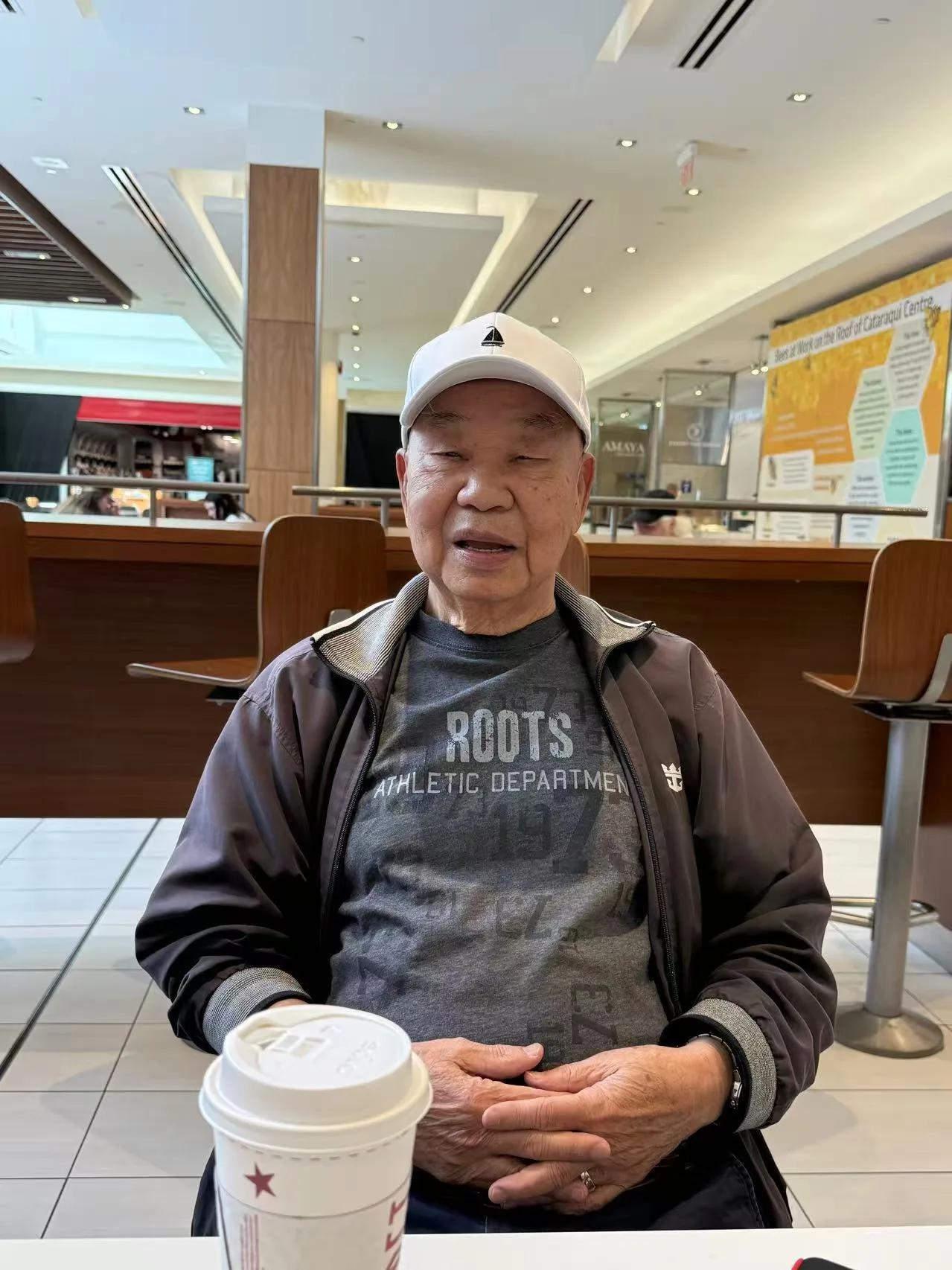
大女儿留在台山 三十年后才团聚
His eldest daughter waited thirty years in Taishan
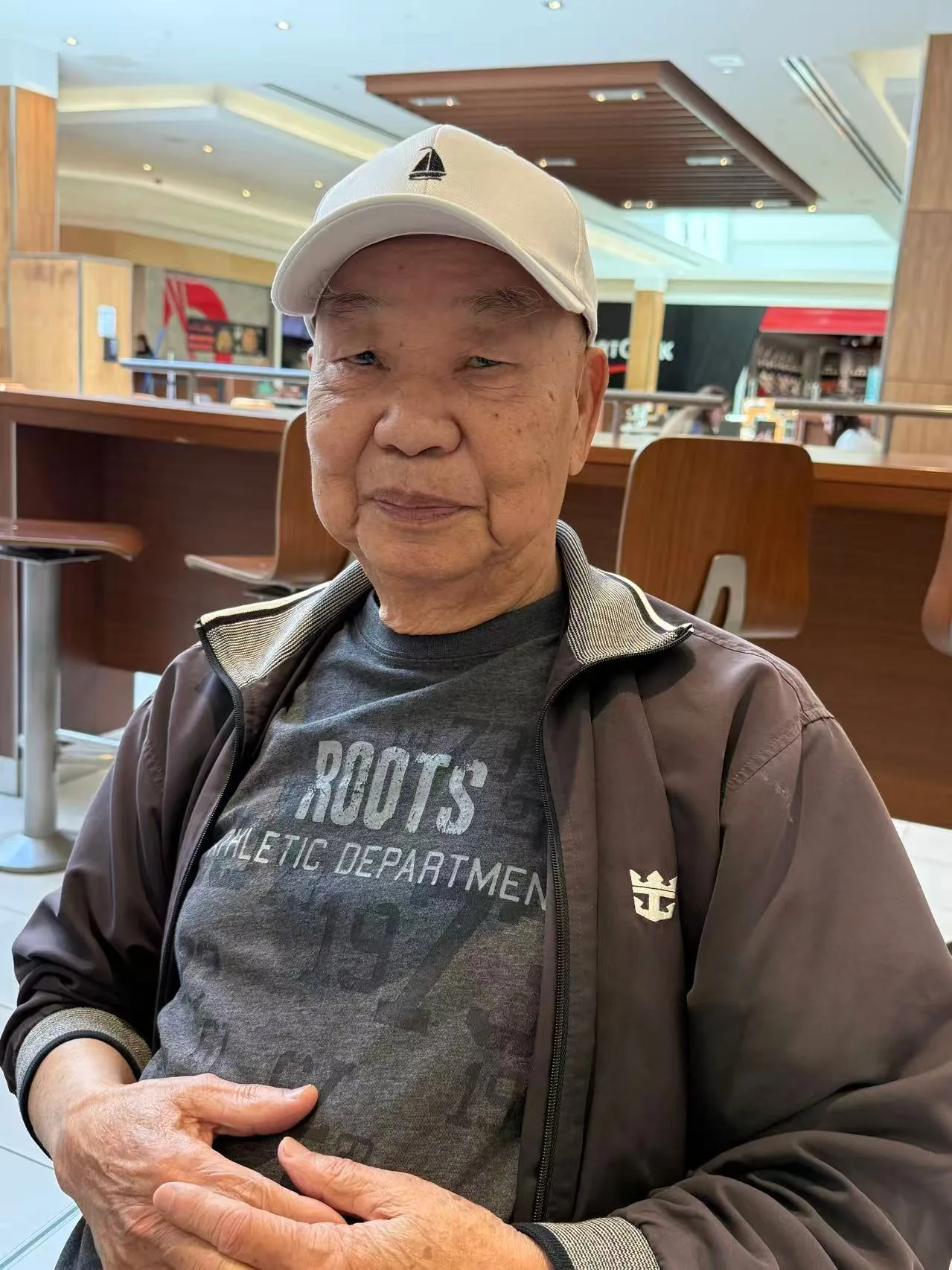
「我 1952 年来加拿大的时候,大女儿留在老家和我父母一起生活。没想到海天相隔,二十多年后她才能和我们在加拿大团聚。」
“When I came to Canada in 1952 my eldest daughter stayed in the village with my parents. We didn't imagine the sea would keep us apart for more than twenty years.”
「我 1952 年来加拿大的时候,大女儿留在老家和我父母一起生活。没想到海天相隔,二十多年后她才能和我们在加拿大团聚。」
“When I came to Canada in 1952 my eldest daughter stayed in the village with my parents. We didn't imagine the sea would keep us apart for more than twenty years.”
我们访谈的第三位华裔老人是雷荣均。雷老先生出生于 1933 年,今年 93 岁,身体健康、耳聪目明,比前面我们访谈过的两位李先生的健康状况还要好,仍然能够开车四处走动。
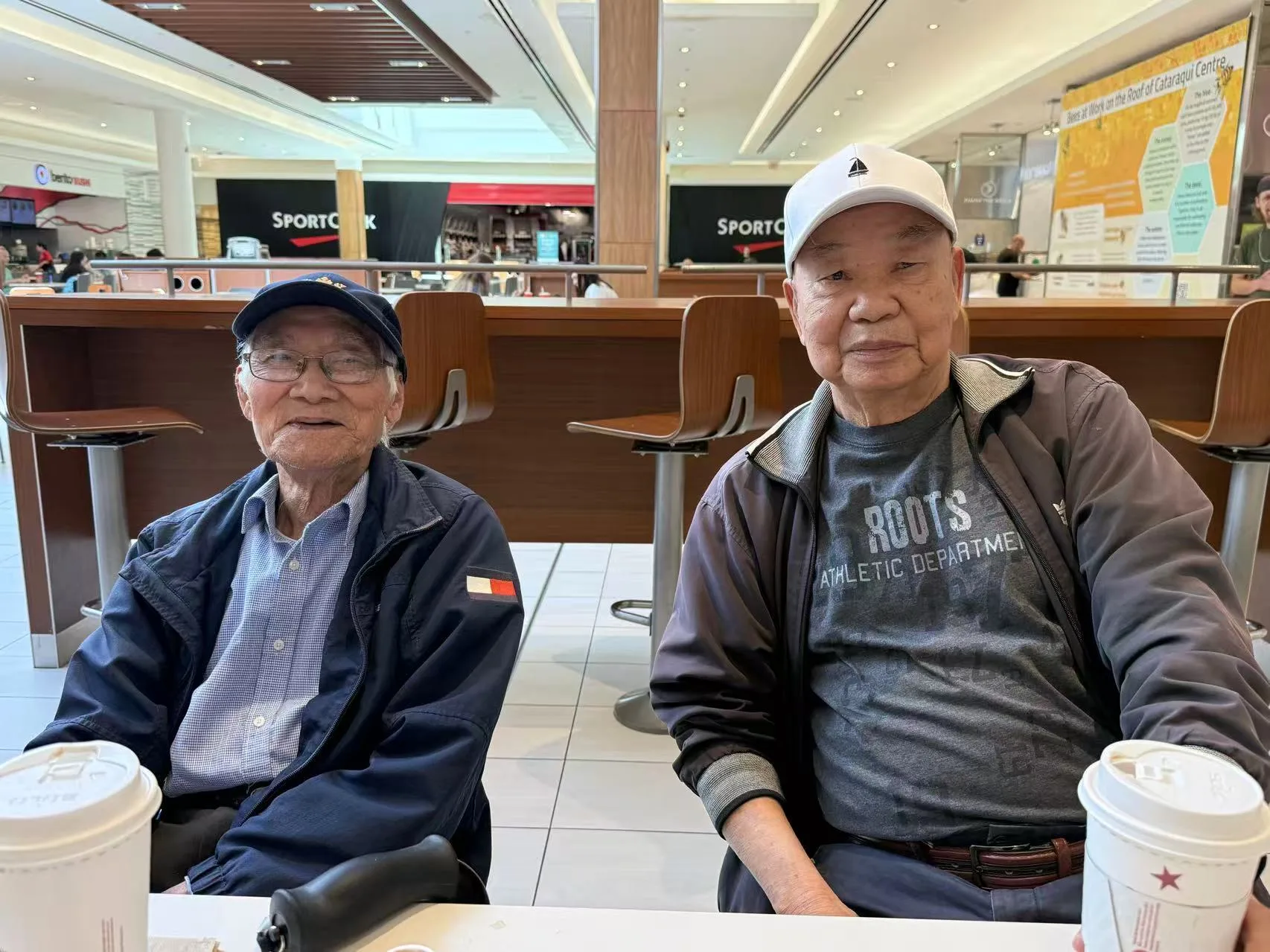
雷先生和前面两位李先生经历相似,都是广东台山人,从香港移民来加拿大;他们多年在金斯顿一起生活,也是朋友,现在还有时一起出去喝喝咖啡,偶尔到附近的赌场玩上一把。
雷先生 1952 年来到金斯顿。他 1949 年从台山到香港,三年后从香港移民到加拿大。不过和许多其他同时期移民加拿大的华人不一样,他是已婚男子——来到加拿大时已经有一个女儿,留在老家和他父母一起生活。让他没想到的是,他们来到加拿大后海天相隔,大女儿二十多年后才能和他在加拿大团聚。
从蒙特利尔到金斯顿
雷先生到加拿大后先到蒙特利尔,因为他的岳父当时在蒙特利尔;后来岳父又回了香港,他就来到了金斯顿,一开始在洗衣店打工。
当时的加拿大还没有后来这样繁荣发达,家用洗衣机和烘干机都不普及,甚至有车有房的人家也不多。所以洗衣房的生意就像餐馆一样,是一种社会生活必需的服务业;许多早期移民来加拿大的华人也都是经营洗衣房或者餐馆。
雷先生在洗衣房做了三年多。也就在这段时间,他的妻子来到了加拿大,自此他的家就在金斯顿一直定居生活——但是他的大女儿留在了台山老家,一直到 1980 年代才和他们团聚。他和妻子在金斯顿辛辛苦苦工作(妻子现在已经去世,和那两位李先生一样),后来在加拿大又有了三个儿子一个女儿。
现在雷先生的后代人丁兴旺,他很自豪地说他有 10 个孙子辈的儿女、还有 8 个曾孙辈的孩子。雷先生的家庭在此开枝散叶,完全融入加拿大社会而生生不息。
七毛五一小时 一份牛排两个小时
雷先生开始在洗衣房工作。当时洗衣房的工作比较劳累,因为那时的洗衣房都不是自助的——在他工作的洗衣房里湿洗业务自己经营,干洗包给别人。
那时候不管是洗衣行业还是餐饮业,工资都非常低——每小时七毛五分钱,一周大概能挣 35 到 45 块钱。收入低,但物价也低,据说可以吃到 $1.99 一份牛排。按照这么多年物价和收入的标准变化来看,当时相当于两个多小时的工资就可以享用一份牛排;目前安大略省最低时薪是 17.6 元,两个小时就是 35 元,现在 35 元吃一份牛排也不算离谱——所以水涨船高,物价和收入的增长率还是可比的。
据雷先生回忆,当时华人做餐饮业非常辛苦,常年无休,但勤劳工作付出的回报也不错——慢慢大家都在各自的行业成了业主,不再是打工人。华人开餐馆很多时候都是把店面也买下来,而不是租房做;而且很多时候都是朋友一起集资买店,而不是个人贷款。当时在金斯顿这样的小城市,大概有六、七个洗衣房,二十多个餐馆,这都是华人集中的社会服务行业。
三家餐馆 一个金龙
雷先生后来在餐饮业工作了许多年,厨里厨外什么都做。那时候的餐馆主要是中西混合式的餐饮——原因很简单,纯中餐没有人消费(那时华人节俭不去餐馆吃饭)。这些中西合璧的餐馆从早到晚营业,早饭、中饭、晚饭都提供,从三明治、汉堡到春卷炒饭都在 menu 上。
他们第一个开的餐馆叫 Mandarin,后来的餐馆叫 Home of Shanghai,再后来 1972 年他们几个人合伙开了一家比较成功的餐馆,Golden Dragon(金龙)——一下子开了二十多年,他退休前才转让。这家金龙餐厅就是 Howard Lee 故事里提到的同一家金龙——金斯顿老一代华人的合伙生意,几个家庭的故事在这里交汇。
一个精明的房东
和很多老华人一样,雷先生还是个精明的不动产投资者。他一度拥有六所房产,现在都卖掉了。第一所房子是 1.2 万买的,第二所房子是 5 万买的——这种物美价廉的不动产投资当时是华人投资的首选,安全且回报可以。
改革开放 才把大女儿接过来
雷先生在退休后是很能享受生活的旅游达人,加拿大几乎所有地方都去了;他还前后五次回中国大陆访问,主要城市、风景名胜都曾经流连忘返过。但是老家台山他只回了一次——可能是没有衣锦还乡的感觉吧,他离家时只有十六七岁,后来返乡时已经没有什么人认识。
另外对故国故乡可能还有一层怨念:他的大女儿一直在台山生活这么多年,中国大陆那时候闭关锁国,他在加拿大没有办法把女儿和父母亲接到加拿大来,只能经常寄钱回去。
只有到了中国开始改革开放、邓小平的政策开始实行,那时候他的岳父在香港已经去世——他们才能根据岳父遗嘱继承财产的要求,把母亲和大女儿带到加拿大。那时候他大女儿已经 30 岁了。
不过他女儿后来在加拿大结婚成家,也经营餐饮业非常成功,在多伦多等地开了好几家餐馆——也算是他们家的迟来的福报吧。
一代和二代
他家里的几个男孩子在晚上、周末这样的空闲时间还是到餐馆帮忙的,这跟前面访谈的李先生们不太一样。但是相似的是——他们的孩子基本都不会讲汉语,不管是粤语还是国语。
雷先生的孩子全都受过高等教育。他在培育后代方面是很成功的——他说所有孩子的大学费用都是他出的。现在这些孩子都很成功,都在做不同领域的职业性工作,不过也没有人继承他们的餐饮行业。
五十年代到今天
说到华裔或者亚裔的移民,在雷先生的印象里 50 年代 60 年代是非常少的,也没有像样的华人社团活动——虽然开几桌麻将甚至赌博的事情还是可以的。从七十年代开始华人移民开始增长:在政府机构、大学、研究机构、工厂企业工作的华人开始出现;有些从印度支那来的难民也来到金斯顿;再后来就是 80 年代开始的留学生和新移民浪潮。金斯顿的亚裔群体才开始兴旺起来。
The third Chinese elder we interviewed was Wing-kwan Lui. Mr. Lui was born in 1933 and is 93 this year — healthy, clear of hearing and sharp of sight, in even better shape than the two Mr. Lees we interviewed earlier, and still able to drive himself around town.
Mr. Lui’s path closely resembles that of the two Lees. All three are from Taishan in Guangdong and emigrated to Canada by way of Hong Kong; they spent many years living together in Kingston and became friends, and they still go out for coffee together now and then, occasionally dropping by a nearby casino for a hand or two.
Mr. Lui arrived in Kingston in 1952. He had left Taishan for Hong Kong in 1949, and three years later emigrated from Hong Kong to Canada. Unlike many of the other Chinese who emigrated to Canada around the same time, however, he was already a married man — by the time he reached Canada he already had a daughter, who stayed behind in the village to live with his parents. What he never expected was that, once he had come to Canada, the sea would keep them apart: more than twenty years passed before his eldest daughter could finally join him in Canada.
From Montreal to Kingston
When Mr. Lui first came to Canada he went to Montreal, because his father-in-law was living there at the time; later his father-in-law moved back to Hong Kong, and Mr. Lui came to Kingston, where he started out working in a laundry.
Canada in those days had not yet grown as prosperous and developed as it later became. Home washing machines and dryers were not yet common, and even households with a car and a house of their own were few. So the laundry business, like the restaurant business, was a service trade that society depended on; many of the early Chinese immigrants to Canada likewise ran laundries or restaurants.
Mr. Lui worked in the laundry for more than three years. It was during this period that his wife came to Canada, and from then on their home was settled for good in Kingston — but his eldest daughter remained back in Taishan, and was not reunited with them until the 1980s. He and his wife worked hard in Kingston (his wife has since passed away, as have the two Mr. Lees), and later had three more sons and a daughter in Canada.
Mr. Lui’s descendants are flourishing now, and he says proudly that he has 10 grandchildren and 8 great-grandchildren. His family has put down roots and branched out here, fully part of Canadian society and growing from one generation to the next.
Seventy-Five Cents an Hour, Two Hours for a Steak
Mr. Lui began his working life in the laundry. The work in those days was fairly hard, because back then laundries were not self-serve — in the one where he worked, they handled the wet washing themselves and contracted out the dry cleaning to others.
In those days, whether in the laundry trade or the restaurant trade, wages were very low — seventy-five cents an hour, working out to roughly 35 to 45 dollars a week. The pay was low, but so were prices: you could reportedly get a steak for $1.99. Measured against how prices and incomes have changed over all these years, that was the equivalent of a little over two hours’ wages for a steak; Ontario’s minimum wage today is $17.60 an hour, so two hours is $35, and $35 for a steak today is not unreasonable either — so as the tide rises all boats rise with it, and the growth rates of prices and incomes are still comparable.
As Mr. Lui recalls, the Chinese in the restaurant trade worked extremely hard in those days, with no days off all year round, but their diligence paid off reasonably well — bit by bit they all became owners in their respective trades rather than employees. When the Chinese opened restaurants, they often bought the premises outright rather than renting; and very often a group of friends would pool their money to buy a place together, rather than one person taking out a loan. In a small city like Kingston back then, there were about six or seven laundries and more than twenty restaurants — these were the service trades where the Chinese were concentrated.
Three Restaurants, One Golden Dragon
Mr. Lui went on to work in the restaurant trade for many years, doing everything both in the kitchen and out front. Restaurants in those days were mainly a Chinese-Western hybrid — for a simple reason: there was no market for pure Chinese food (the Chinese in those days were frugal and did not eat out). These Chinese-Western restaurants were open from morning to night, serving breakfast, lunch, and dinner, with everything from sandwiches and hamburgers to spring rolls and fried rice on the menu.
The first restaurant they opened was called Mandarin, the next was called Home of Shanghai, and then in 1972 a few of them went into partnership on a fairly successful one, the Golden Dragon (金龙) — which stayed open for more than twenty years, and which he handed over only before he retired. This Golden Dragon restaurant is the very same Golden Dragon mentioned in Howard Lee’s story — a partnership business of Kingston’s older generation of Chinese, where the stories of several families come together.
A Shrewd Landlord
Like many of the older Chinese, Mr. Lui was also a shrewd real estate investor. At one point he owned six properties, all of which he has now sold. The first house he bought for 12,000; the second for 50,000 — this kind of good-value real estate was the Chinese investment of choice at the time, safe and with a decent return.
Only After Reform and Opening Up Could His Eldest Daughter Come
In retirement Mr. Lui became a great traveller who knew how to enjoy life, visiting nearly every part of Canada; he also returned to mainland China five times in all, lingering happily over its major cities and scenic landmarks. But he returned to his home village of Taishan only once — perhaps because there was no sense of returning home in glory: he had been only sixteen or seventeen when he left, and by the time he went back there was hardly anyone left who knew him.
There may also have been another layer of resentment toward the old country: his eldest daughter had lived in Taishan all those years, and with mainland China closed off at the time, he had no way to bring his daughter and his parents to Canada — all he could do was send money back regularly.
It was only when China began its reform and opening up, when Deng Xiaoping’s policies started to take effect — by which time his father-in-law had already passed away in Hong Kong — that they were able, under the terms of his father-in-law’s will requiring his estate to be inherited, to bring his mother and eldest daughter to Canada. By then his eldest daughter was already 30 years old.
But his daughter later married and started a family in Canada, and went on to run a very successful restaurant business of her own, opening several restaurants in Toronto and elsewhere — a long-delayed blessing for the family, you might say.
The First Generation and the Second
The boys in his family still helped out at the restaurant in their free time in the evenings and on weekends, which is a little different from the Mr. Lees we interviewed earlier. But what is similar is this — their children basically cannot speak Chinese, whether Cantonese or Mandarin.
Mr. Lui’s children all received a higher education. He has been very successful in raising the next generation — he says he paid for all of his children’s university costs. These children are all doing well now, all working in professional careers across various fields, though none of them carried on the family’s restaurant trade.
From the Fifties to Today
Speaking of Chinese or Asian immigration, in Mr. Lui’s memory there were very few in the 1950s and 1960s, and no proper Chinese community activities to speak of — though setting up a few tables of mahjong, or even some gambling, was still doable. From the 1970s on, Chinese immigration began to grow: Chinese began to appear working in government agencies, universities, research institutions, and factories and businesses; some refugees from Indochina also came to Kingston; and later still came the wave of international students and new immigrants that began in the 1980s. Only then did Kingston’s Asian community begin to flourish.