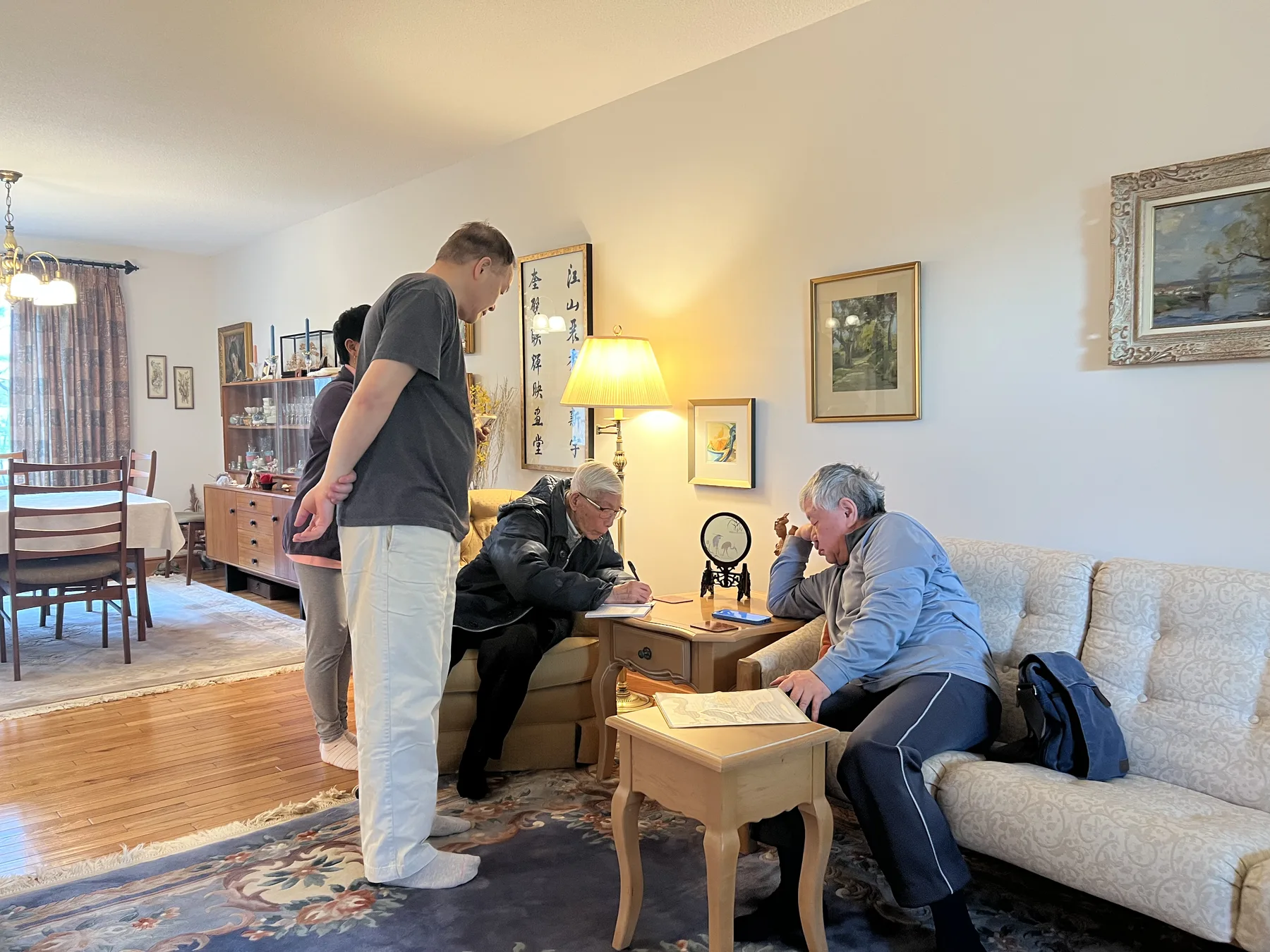
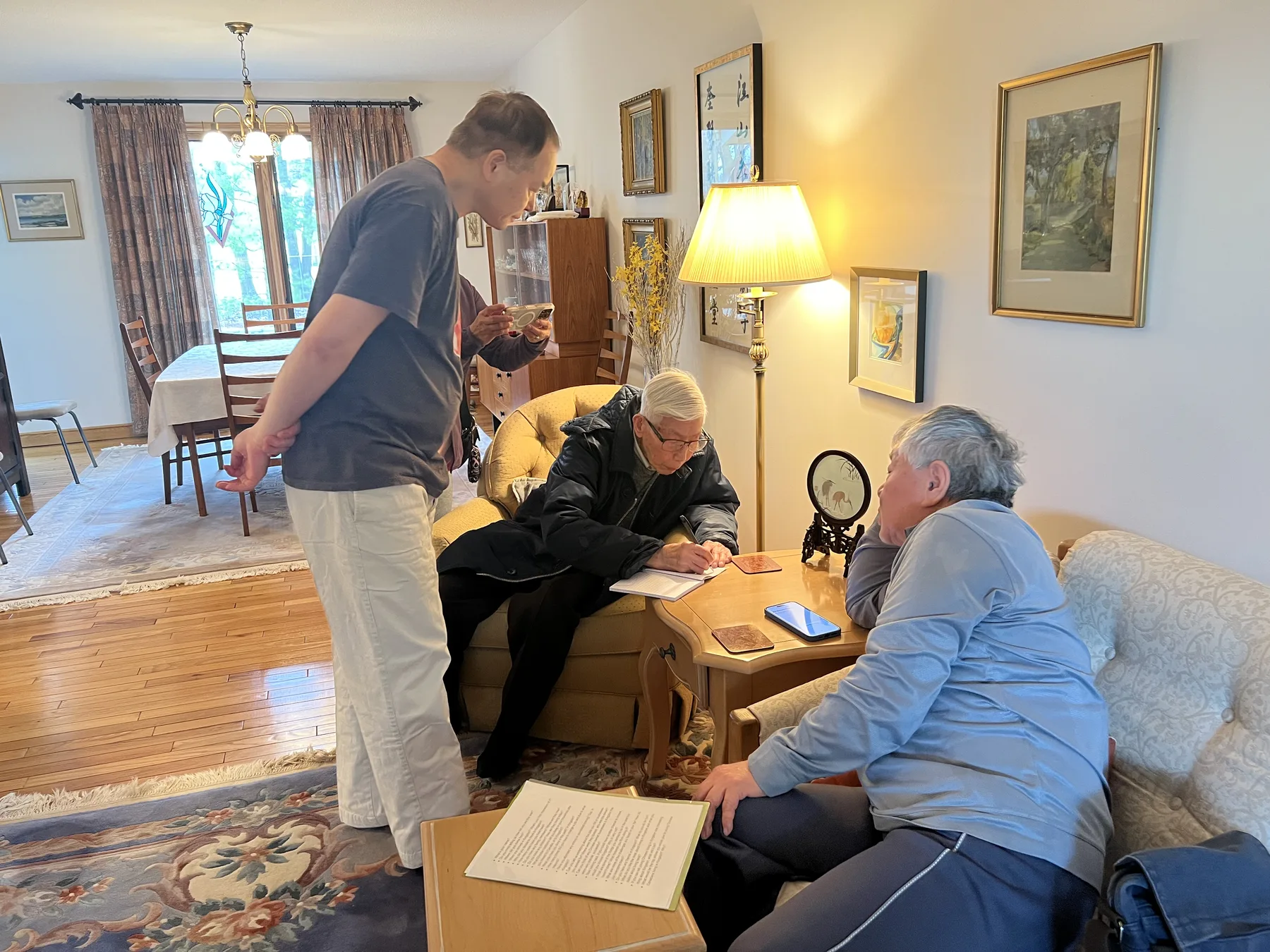
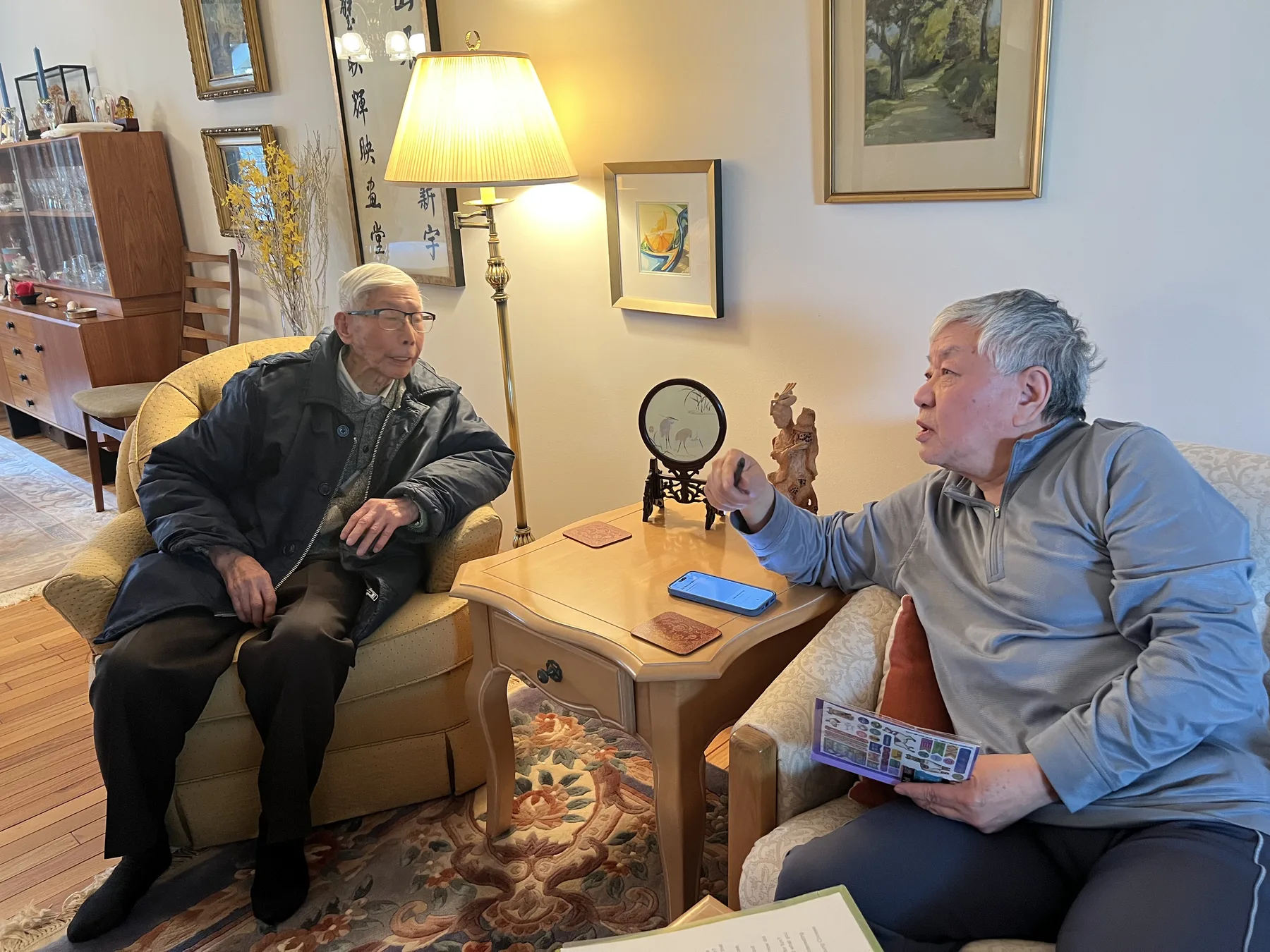
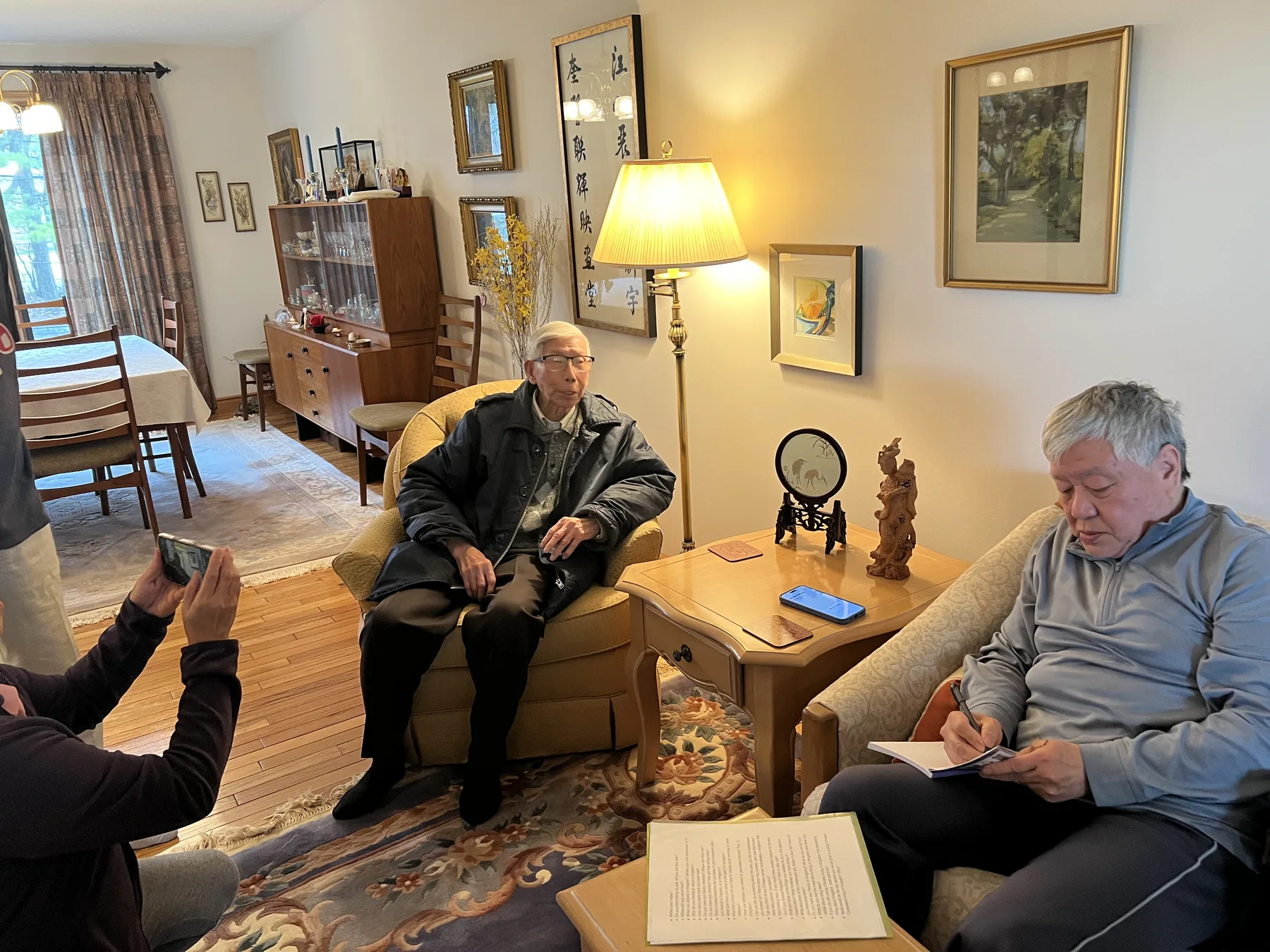
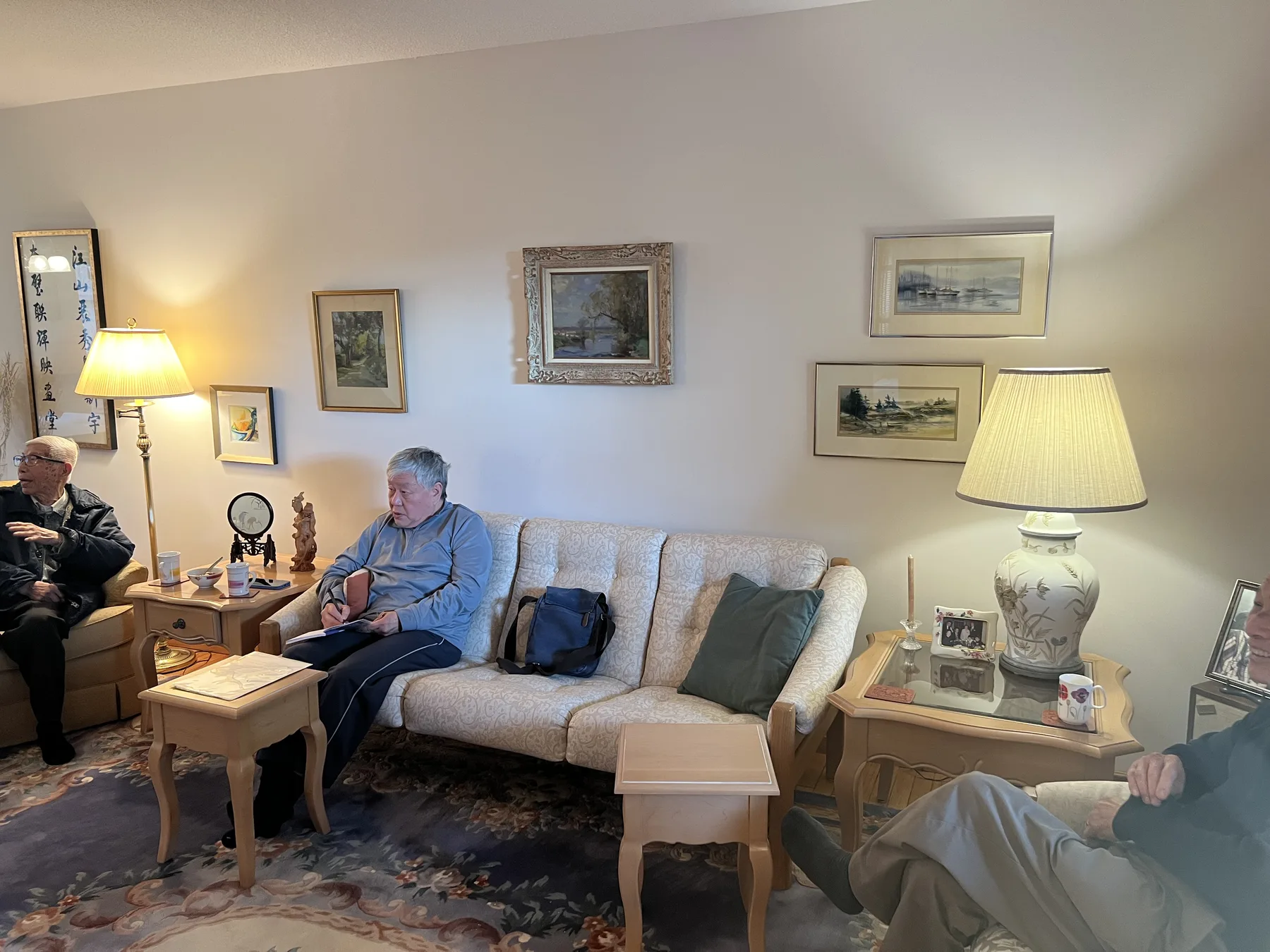
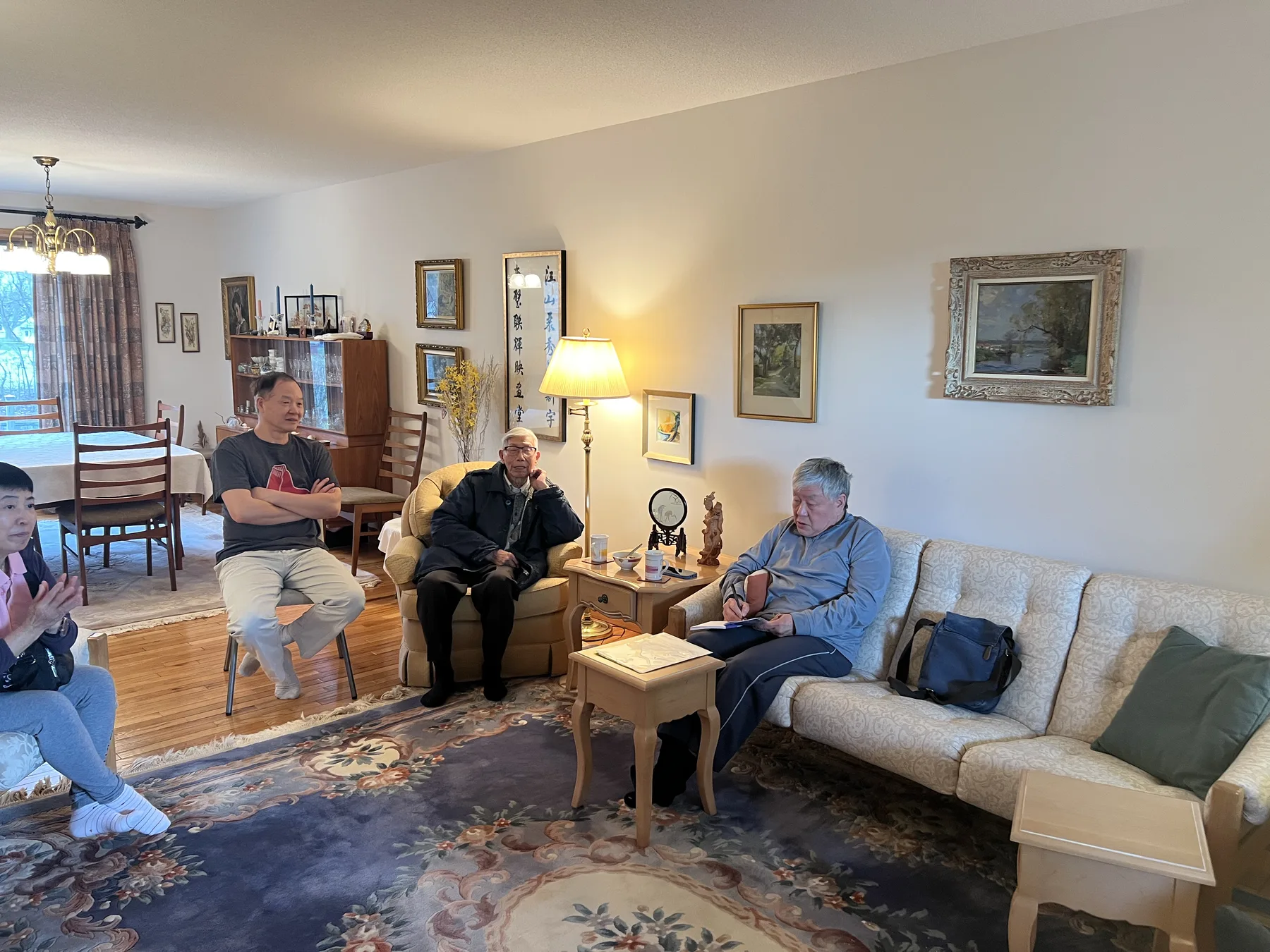
金斯顿五剑客的寻偶之旅
The Kingston Five Musketeers go to Hong Kong for wives
「我们五个人 1957 年一起回香港寻找配偶。一年之后,五个都成功地把另一半带回来了。」
“In 1957 the five of us went back to Hong Kong to look for wives. A year later, all five came home with one.”
「我们五个人 1957 年一起回香港寻找配偶。一年之后,五个都成功地把另一半带回来了。」
“In 1957 the five of us went back to Hong Kong to look for wives. A year later, all five came home with one.”
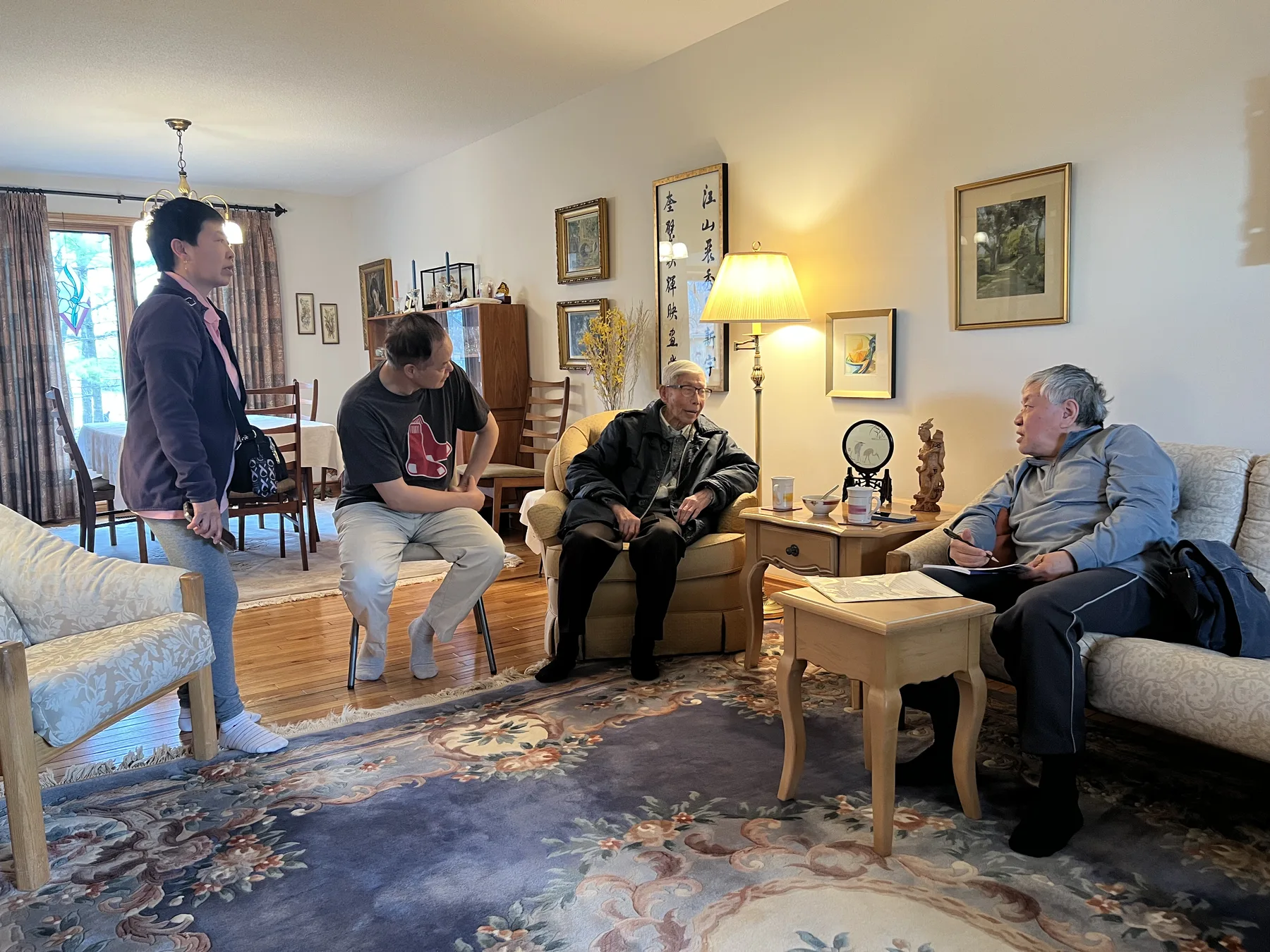
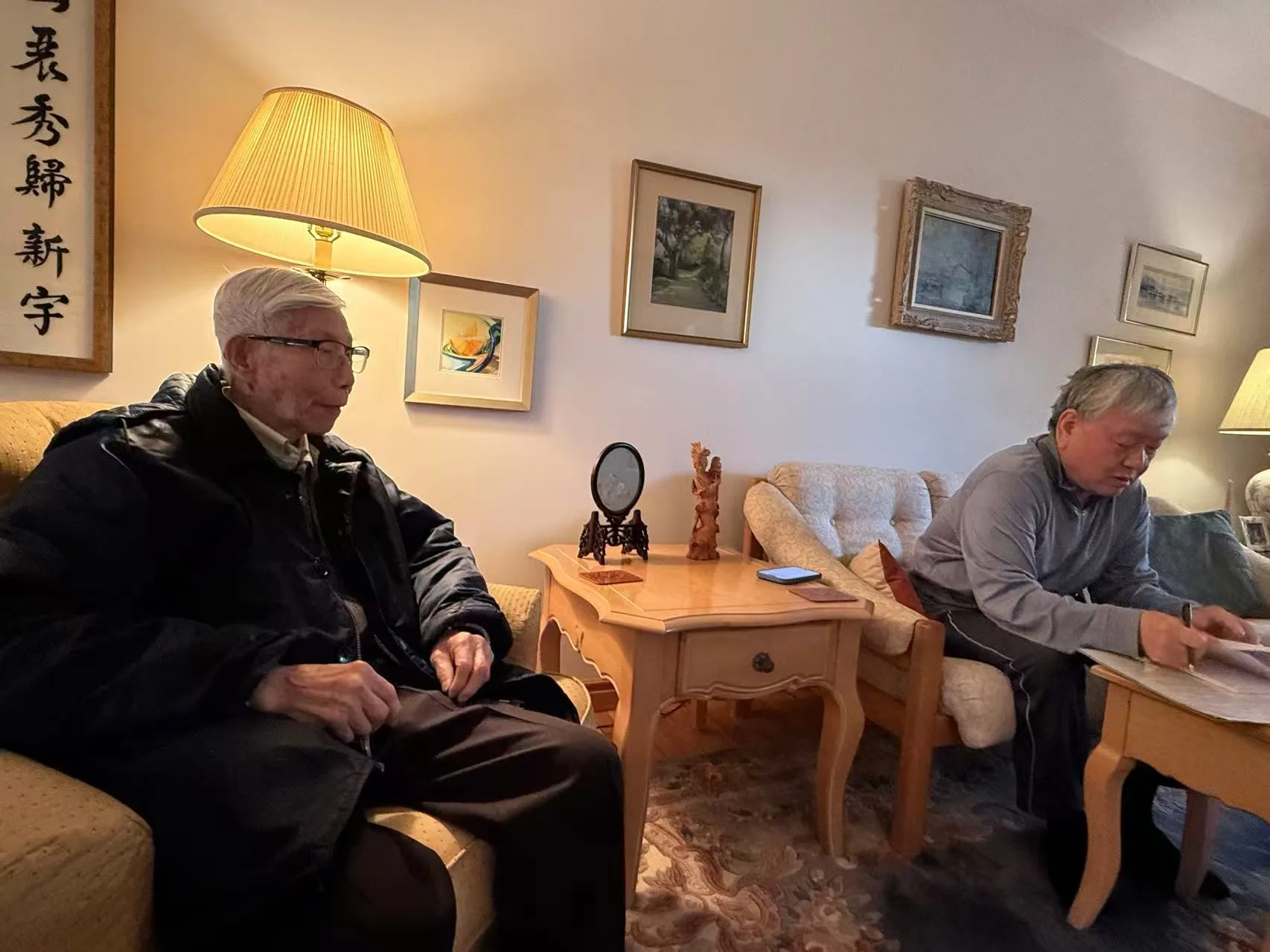
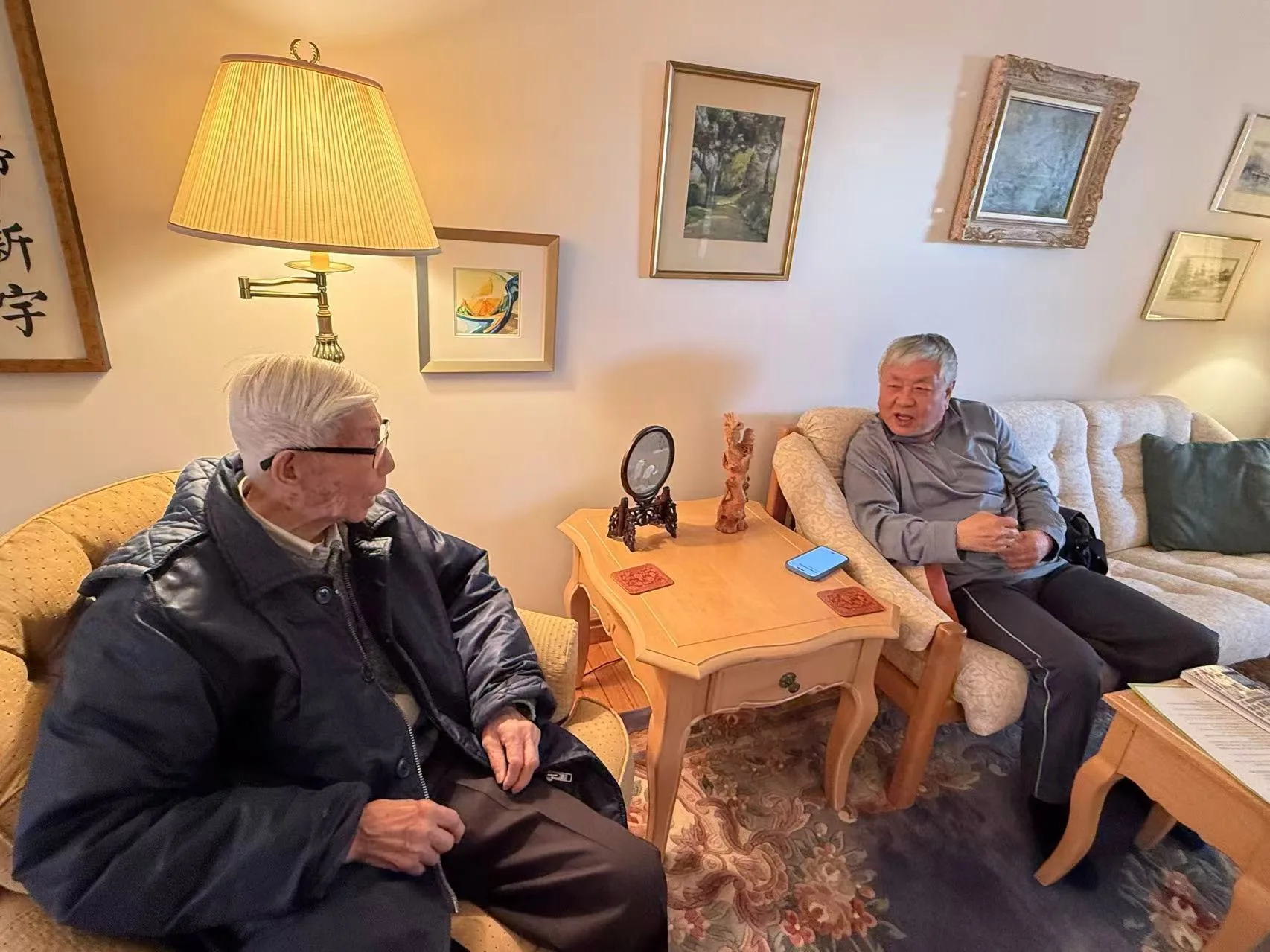
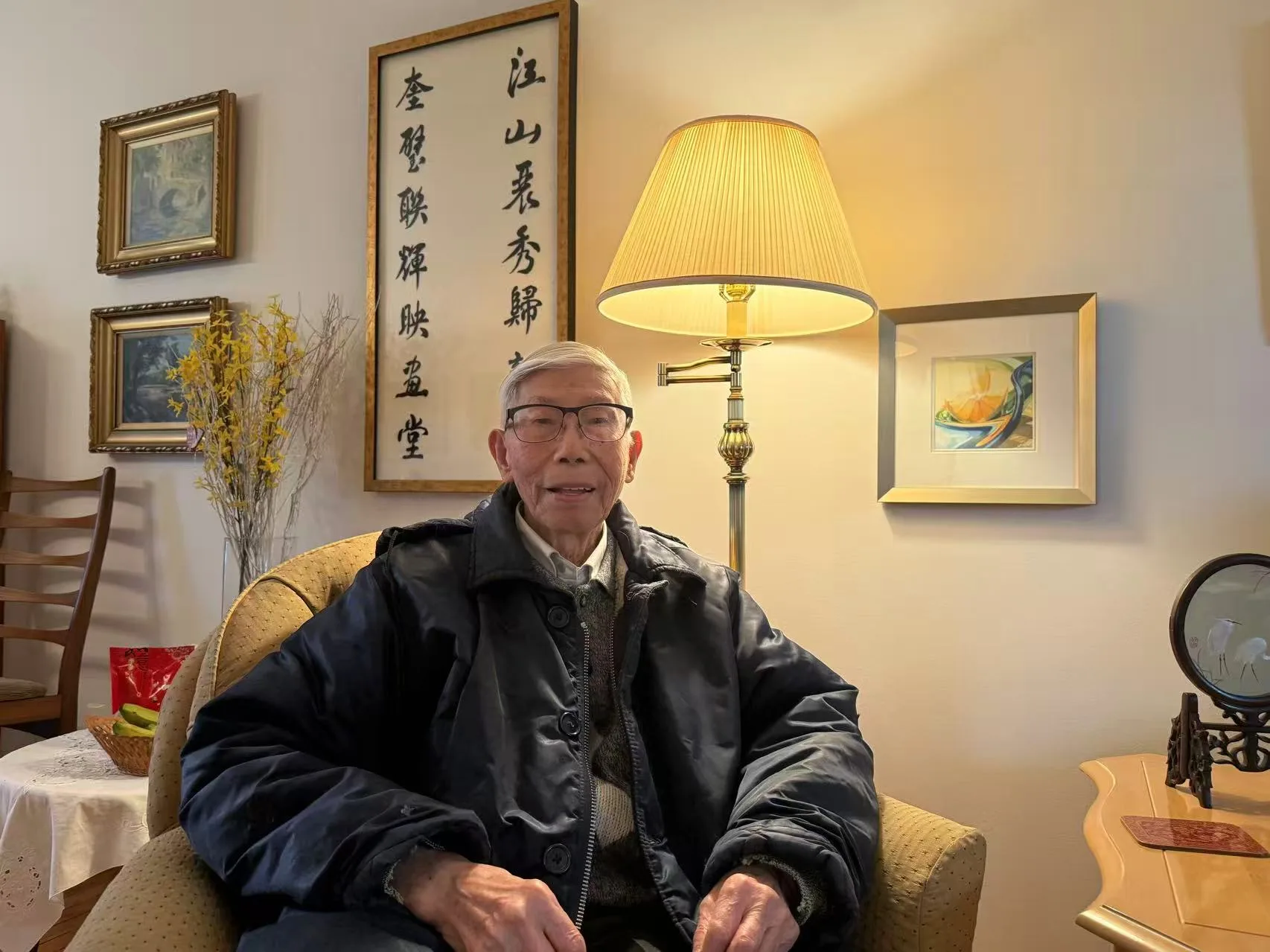
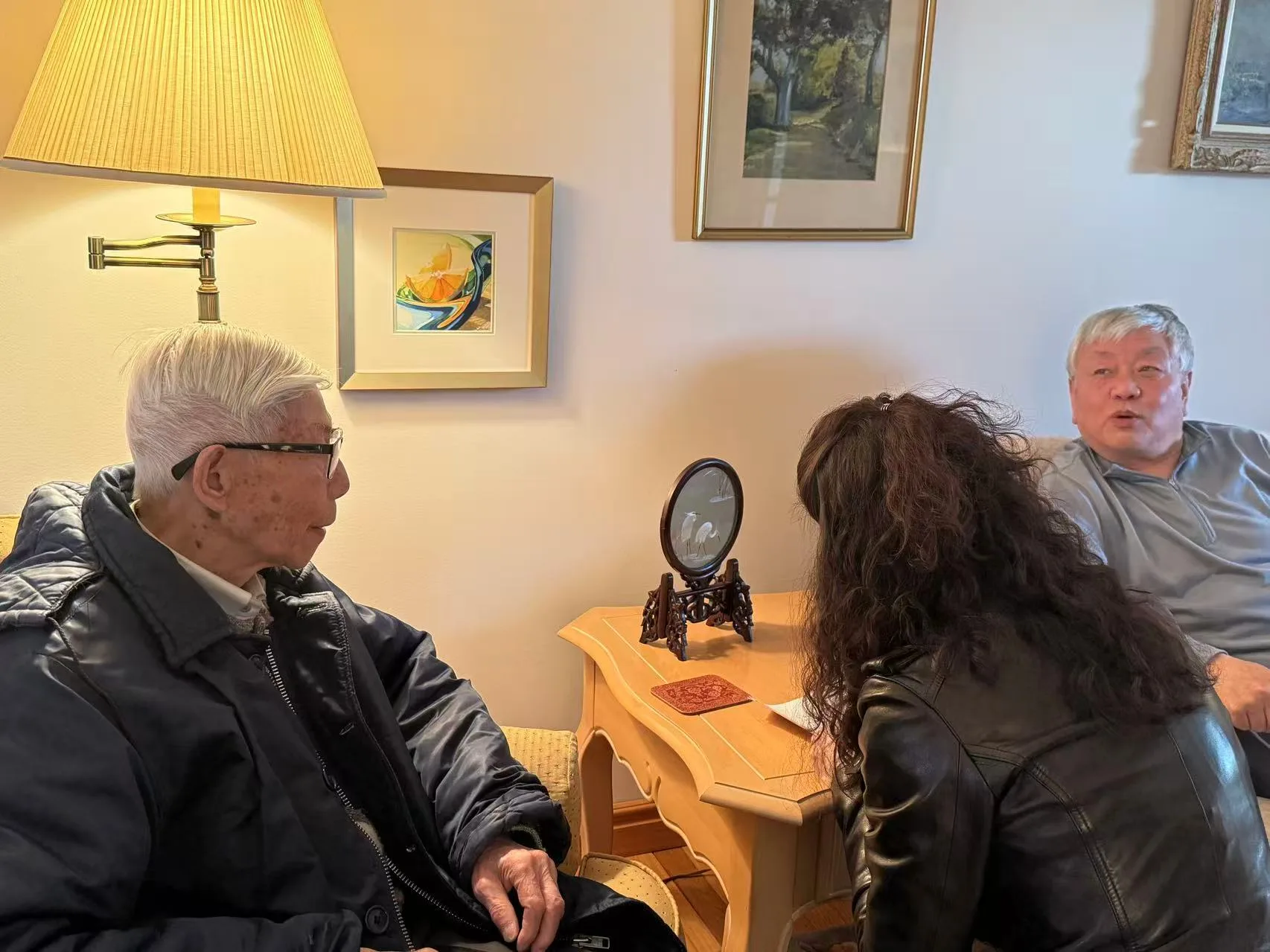
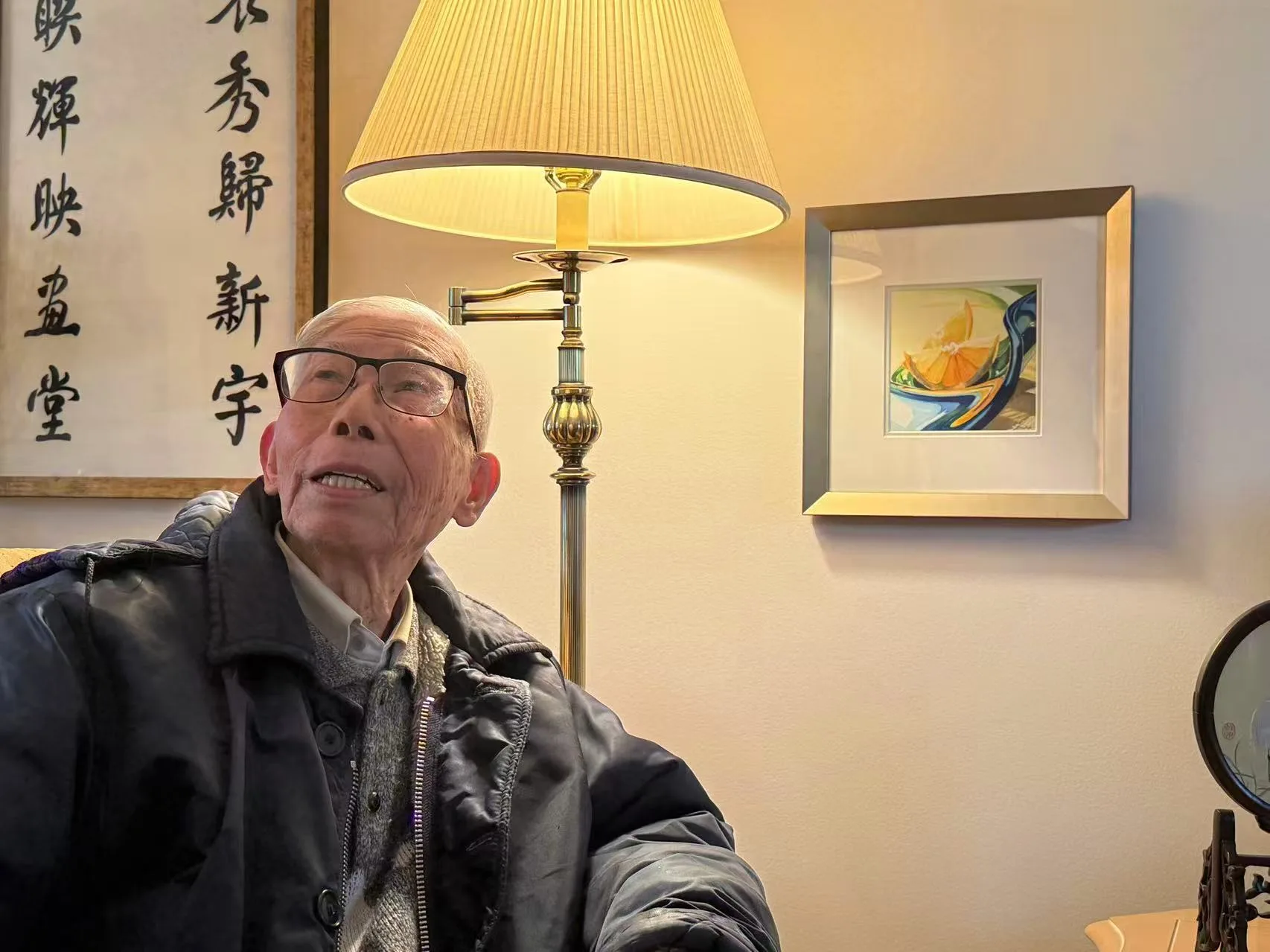
这位李先生(李钦贤)的故事和 Howard Lee 的故事相似。他也是广东台山人,1930 年出生,今年 96 高龄,身体健康,头脑清晰,令人惊叹。他也是 1949 年那个动荡的年代从家乡来到香港,当时他已经初中毕业;1952 年从香港移民到加拿大,也是他父亲(当时已在加拿大)为他申请的移民。
但他来北美是坐飞机——不像 Howard 乘船在海上折腾了二十几天。据说当时飞机票非常贵,要 800 块钱。他也是直接就到了金斯顿,因为父亲已经在此定居。
Victoria School 的英文课
当时他也不会讲英文,幸运的是有机会进了一个 public school 学习——Victoria School,学校就在后来金斯顿有名的 KCVI 的原址。他在那里大概学了一年多的英文。20 多个学生的班里有五个中国人,都是华人新移民,这就算打了个基础——至少可以与人交流沟通。
后来就在我们上次也说过的 Royal York restaurant 工作。那个年月金斯顿的餐饮业还不发达,华人餐馆大概有八九个,其它的亚洲餐饮店都不存在。Norman 做了很多年 waiter,后来他和几个人合伙开餐馆,一直在餐饮业辛苦工作;开餐馆当然要贷款借钱,但是功夫不负有心人——中国人勤劳节俭、互相帮衬,总能找到生存之道。
五剑客回香港找老婆
当时像他这样来加拿大的华人移民大部分都是男性单身汉。所以他们在 1957 年组织了五个人一起回香港寻找配偶,幸运的是金斯顿”五剑客”都在香港成功地找到了他们的另一半。Norman 的新婚妻子也是台山人(不幸的是现在已经过世了)。
他们这个寻妻团大概是在一年之后不负众望携妻归来,这些华人家庭也开始在金斯顿这个风水宝地成家立业、开枝散叶、定居长生。
Sun 餐馆的四十年
Norman 在金斯顿一直经营餐饮业务。那个时候(五六十年代)的金斯顿除了中西餐其他类型的餐馆很少,也没有现在占了餐饮业半壁江山的连锁快餐店。餐饮业没有现在那样”内卷”,但也是非常辛苦——当时的中餐馆是提供从早餐到晚餐的服务,也大都是中西混合的餐饮。
那时做餐饮非常劳累。据他回忆,那个时候餐饮业的收入很低,小费大概是 25 分钱或者 75 分钱,一个星期大概能够挣的钱就是 25 到 35 块钱。
他后来自己开了一个 Sun 餐馆——就是现在的 Sun Flower 餐馆。他的餐馆没有酒牌,不卖酒水,也很少有大单的外包,比如生日聚会或是婚宴。他的餐馆收入不高但足够温饱。他和妻子共同经营,一做就是四十年,很少雇人,餐馆也没有假期。
当然那个时候的物价普遍也非常低,人们的收入也很低,相比起来餐饮业还是很容易生存的。而且金斯顿乃至加拿大的大环境不错,社会很规范——虽然华人跟政府打交道不多,但是政府并不欺压民众,社会服务也一直比较在线。到了 70 年代以后多元文化政策出炉,移民社会更是逐渐被鼓励,一方面保持自己的传统,一方面积极融入加拿大社会。但是 Norman 因为餐馆业务繁忙,很少参加社会活动,就连华人社区的聚会也没有时间参与。
三代单传
他的儿子在 1967 年出生,后来在联邦政府做电子工程师。Norman Lee 家很有意思——他们家是从他父亲那辈起就是三代单传,没有很多华人移民那样的多子多孙的大家庭;好在他的儿子有一个六岁儿子(Norman 的孙子)承欢膝下。
一辈子的金斯顿
有意思的是,这些老一代的华人移民大部分都是做服务业为生,非常勤劳节俭。比如像 Norman 这样的老人,他几十年从没有换过工作,生活圈子固定,也没有休假,没有任何嗜好——比如运动或是娱乐活动如麻将。他基本不旅游,也没有回过香港和大陆,都是在金斯顿生活。工作时期每周至少做六天,每天十几个小时,也没有其他的兴趣爱好,除了看看粤语的电视节目。
但他的身体非常好——现在 96 岁了还行动自如。他说他也没想到他能活那么长,因为他的很多朋友都在天国了。但是他还生活得很独立。
李先生仍然是非常传统性的生活习惯。比如他基本用现金,不用信用卡,也没有智能手机;据说他的儿子曾经给他买了手机,但是他朋友或者不在了或者没有可以打电话的对象,所以手机对他没用。Norman 不开车,他基本上都是骑自行车——就是 80 多岁退休了还是骑自行车去收他的房租,因为他有四个房产出租。
应该说他其实并非没有其它的机会,但是他从来没有想选择另外的生活方式。那一代的华人在生活中是非常俭朴的——以他们辛苦的劳作积攒下来的钱财基本都是用来购买不动产,比如房子。
历史变迁的见证
李先生的孩子基本上不参与他的餐饮活动,但是可以讲粤语,现在对他很孝顺——不但照顾他有时还带他出去转转,这大概是他晚年比较满意的事情吧。李先生生活简单,无不良嗜好,长寿健康;虽然并不健谈,但是他的脑子很清楚——比如他记忆中的”五剑客”一起回香港寻找伴侣的经历,那五个人他记得清清楚楚。
另外当然就是上个世纪五六十年代在这里的华人人数非常少,所以他们之间都认识。金斯顿这样的城市以前一直是以欧洲裔白人为主,亚裔的人口非常少;据他回忆,不光中国人很少,像日本人、韩国人、菲律宾人更少。
金斯顿过去的 demographic setting 几乎和现在的人口构成完全不一样——从华人移民的角度来看,Norman Lee 是金斯顿历史变迁的见证。
This Mr. Lee — Lee Yam-yin, Norman Lee — has a story much like Howard Lee’s. He too is from Taishan in Guangdong, born in 1930, now ninety-six and in remarkable health, with a clear and sharp mind. He too left his hometown for Hong Kong during the turbulent years around 1949, by which time he had already finished junior high; in 1952 he emigrated from Hong Kong to Canada, sponsored by his father, who was by then already living here.
But he came to North America by plane — unlike Howard, who endured more than twenty days tossing about on the open sea. Air tickets were said to be very expensive at the time, some eight hundred dollars. He too came straight to Kingston, since his father had already settled in town.
English Classes at Victoria School
Back then he could not speak English either. Fortunately he had the chance to attend a public school — Victoria School, which stood on the site that later became Kingston’s well-known KCVI. He studied English there for about a year and a bit. In his class of twenty-odd students there were five Chinese, all newly arrived Chinese immigrants, and that gave him a foundation — enough, at least, to communicate with people.
Afterwards he worked at the Royal York restaurant, which we mentioned last time. In those years Kingston’s restaurant trade was not yet well developed; there were perhaps eight or nine Chinese restaurants, and no other kind of Asian eatery existed at all. Norman worked as a waiter for many years, then went into partnership with a few others to open a restaurant, toiling all the while in the food business; opening a restaurant of course meant taking out loans and borrowing money, but hard work paid off in the end — frugal and diligent, helping one another along, the Chinese always managed to find a way to get by.
The Five Musketeers Go Back to Hong Kong for Wives
In those days most of the Chinese immigrants who came to Canada like him were single men. So in 1957 the five of them organized a trip back to Hong Kong together to look for spouses, and fortunately Kingston’s “Five Musketeers” all succeeded in finding their other halves in Hong Kong. Norman’s new bride was also from Taishan (sadly she has since passed away).
About a year later this wife-seeking expedition lived up to expectations and came home with their wives, and these Chinese families began to put down roots in the auspicious soil of Kingston — marrying, raising families, branching out, and settling in for good.
Forty Years at the Sun Restaurant
Norman ran restaurants in Kingston throughout his life. In the Kingston of that time (the fifties and sixties), apart from Chinese and Western fare there were very few other kinds of restaurants, and none of the chain fast-food outlets that now make up half the food business. The trade was not as cut-throat as it is today, but it was still very hard work — back then the Chinese restaurants served everything from breakfast to dinner, and most of it was a mix of Chinese and Western dishes.
Running a restaurant in those days was exhausting. As he recalls, incomes in the trade were very low; tips were about twenty-five cents or seventy-five cents, and in a week one might earn around twenty-five to thirty-five dollars.
Later he opened a place of his own, the Sun Restaurant — now the Sun Flower restaurant. His restaurant had no liquor licence and sold no alcohol, and it rarely took on large catering orders such as birthday parties or wedding banquets. The income was modest but enough to live on. He and his wife ran it together, kept at it for forty years, seldom hired anyone, and the restaurant had no holidays.
Of course prices in general were also very low back then, and people’s incomes were low too, so by comparison it was still fairly easy to make a living in the food trade. What is more, the broader environment in Kingston and across Canada was good, and society was orderly — although the Chinese had little dealing with the government, the government did not oppress its people, and social services were always reasonably available. After the 1970s, when the multiculturalism policy came in, immigrant communities were increasingly encouraged both to keep their own traditions and to take an active part in Canadian society. But because his restaurant kept him so busy, Norman rarely joined in community activities, and had no time even for gatherings of the Chinese community.
A Single Heir for Three Generations
His son was born in 1967, and later became an electronics engineer with the federal government. The Lee family is an interesting one — going back to his father’s generation, they have had a single heir for three generations, without the large families of many children and grandchildren that so many Chinese immigrants had; happily, his son has a six-year-old boy (Norman’s grandson) to bring him joy in his later years.
A Lifetime in Kingston
What is striking is that most of these older Chinese immigrants made their living in the service trade, and were extremely diligent and frugal. Take an elderly man like Norman: in decades he never once changed jobs, his social circle stayed fixed, he took no holidays, and he had no hobbies — no sports, no pastimes such as mahjong. He hardly ever travelled, and never went back to Hong Kong or the mainland, living his whole life in Kingston. In his working years he put in at least six days a week, more than ten hours a day, and had no other interests beyond watching Cantonese television programs.
But his health is excellent — at ninety-six he still gets about with ease. He says he never expected to live so long, since so many of his friends have already gone on to heaven. Yet he still lives quite independently.
Mr. Lee keeps to very traditional habits. He uses cash for almost everything, does not use credit cards, and has no smartphone; his son once bought him a mobile phone, but his friends are either gone or there is no one for him to call, so the phone is of no use to him. Norman does not drive — he gets around mostly by bicycle, and even after retiring in his eighties he still cycled out to collect his rents, for he has four rental properties.
It should be said that it is not as though he never had other opportunities, but he simply never wished to choose a different way of life. That generation of Chinese lived very frugally — the money they scraped together through their hard labour went mostly into buying real estate, such as houses.
A Witness to Historical Change
Mr. Lee’s children took little part in his restaurant work, but they can speak Cantonese and are now very devoted to him — not only caring for him but sometimes taking him out for a change of scene, which is probably one of the more satisfying things about his later years. Mr. Lee lives simply, has no bad habits, and enjoys a long and healthy life; though he is not especially talkative, his mind is very clear — for instance, his memory of how the “Five Musketeers” went back to Hong Kong together to look for partners, those five men he remembers perfectly clearly.
And of course, in the Kingston of the fifties and sixties the Chinese were very few in number, so they all knew one another. A city like Kingston had long been predominantly of white European descent, with a very small Asian population; as he recalls, not only were the Chinese few, but Japanese, Korean, and Filipino people were fewer still.
Kingston’s old demographic setting is almost completely unlike the makeup of its population today — and from the perspective of Chinese immigration, Norman Lee is a witness to Kingston’s historical change.