克里夫兰号上的二十多天
Twenty-some days aboard the SS Cleveland
「我搭乘克里夫兰号,从香港到旧金山,整整二十多天。然后再坐两天的火车到温哥华,再从温哥华一路坐到金斯顿。」
“I took the SS Cleveland from Hong Kong to San Francisco — twenty-some days. Then two days by train to Vancouver, and another train all the way to Kingston.”
「我搭乘克里夫兰号,从香港到旧金山,整整二十多天。然后再坐两天的火车到温哥华,再从温哥华一路坐到金斯顿。」
“I took the SS Cleveland from Hong Kong to San Francisco — twenty-some days. Then two days by train to Vancouver, and another train all the way to Kingston.”
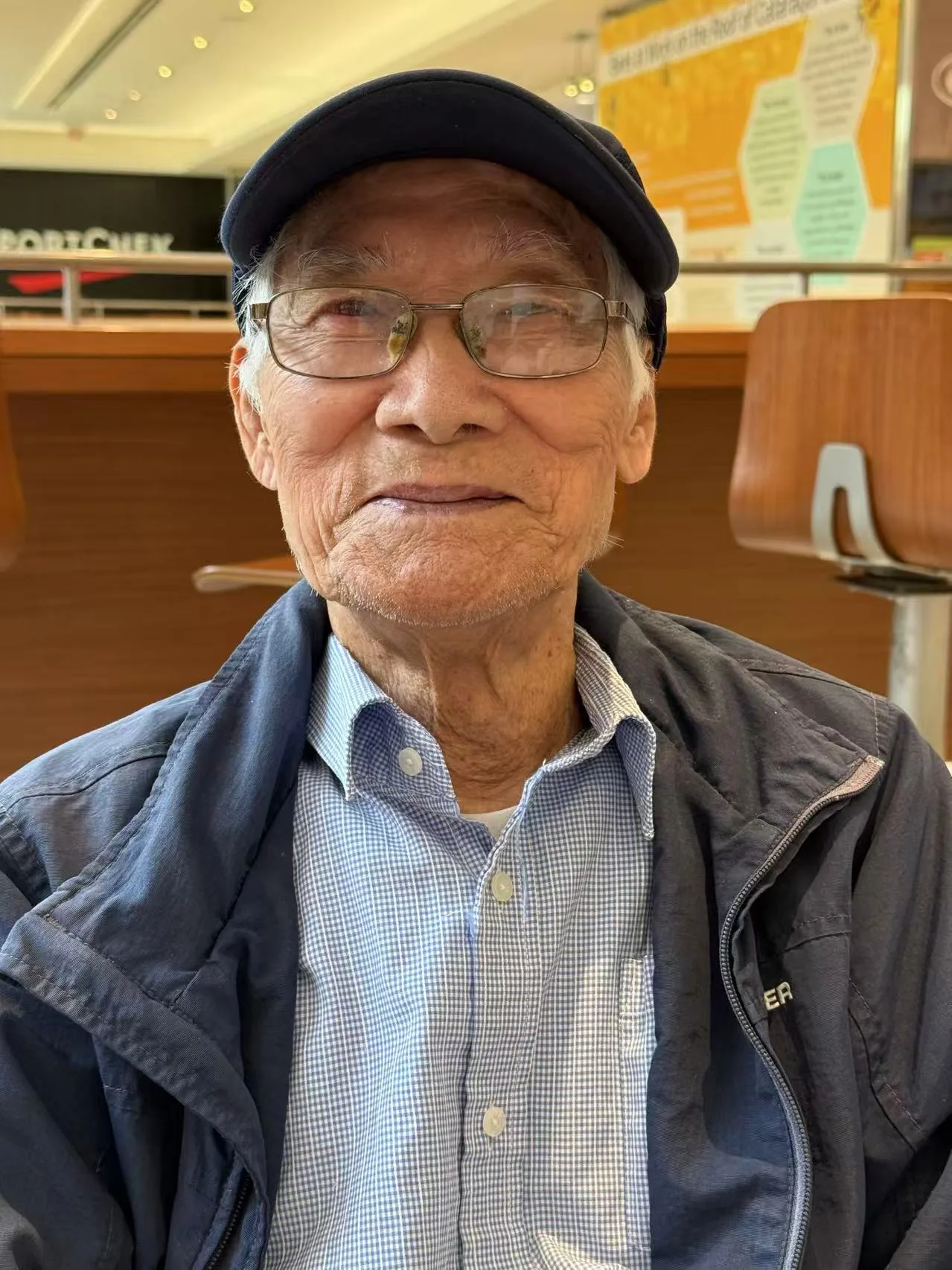
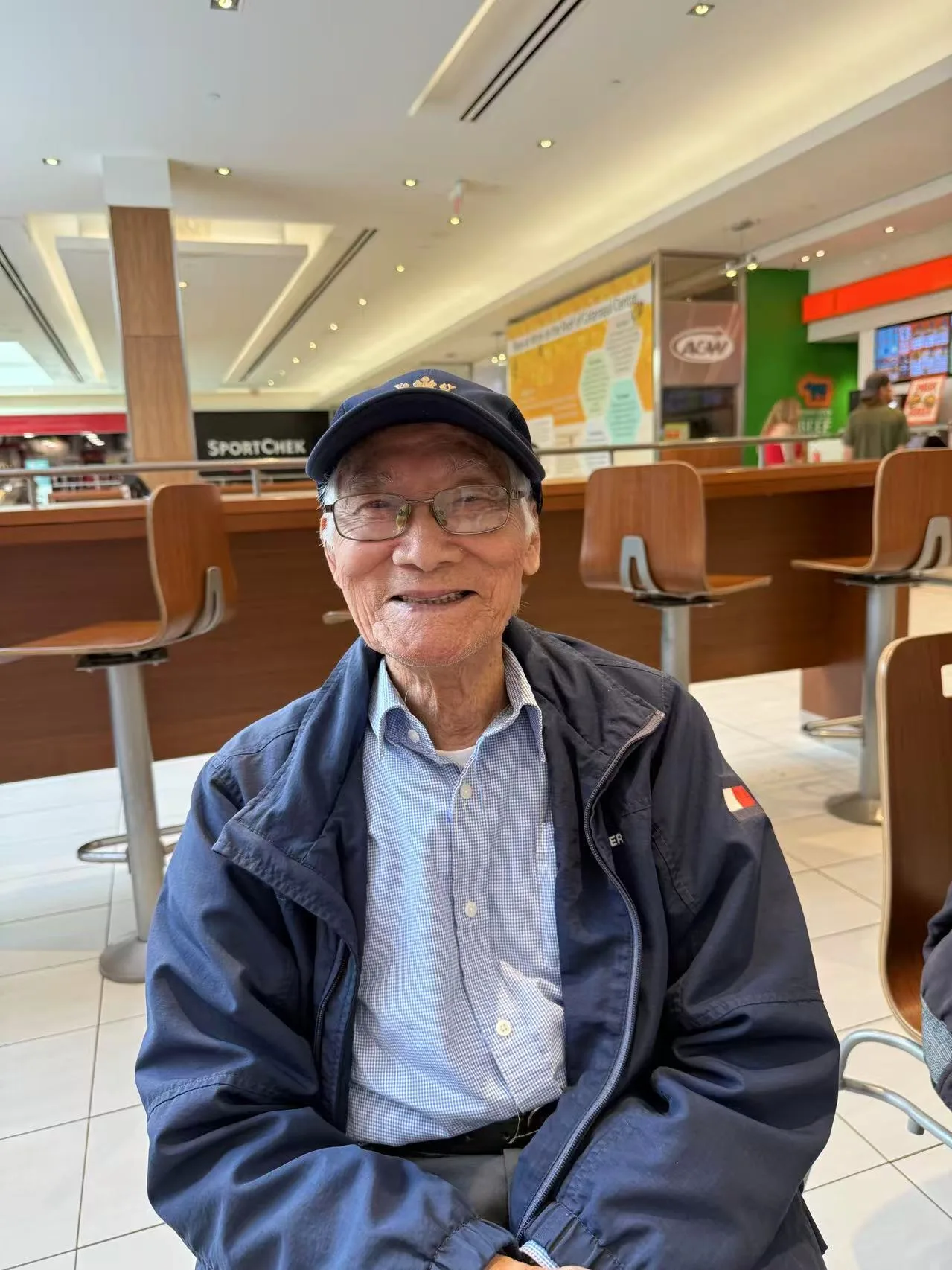
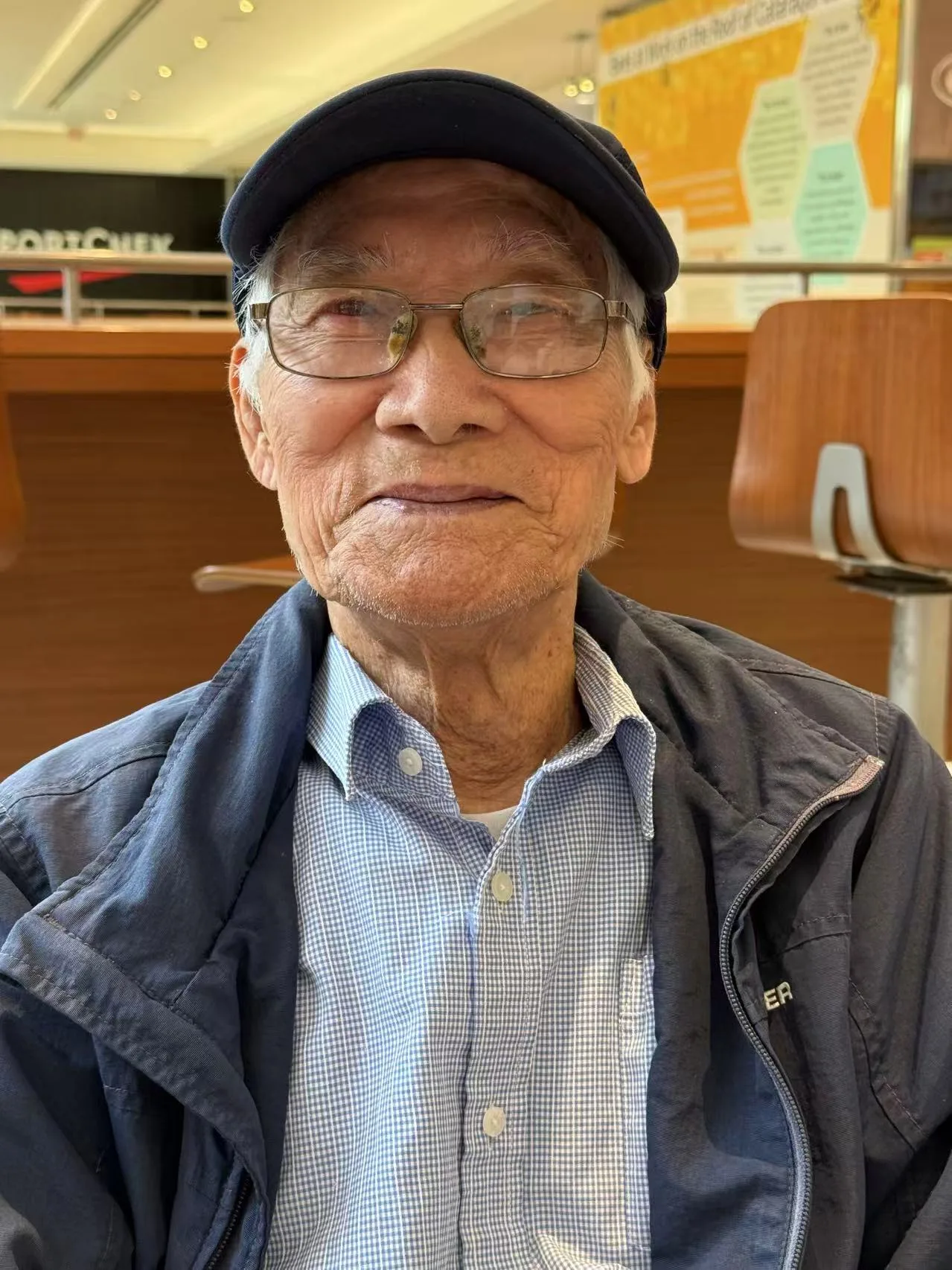
李老先生,中文名字李锡光,Howard Lee,出生于 1926 年,今年百岁高龄,身体尚好,头脑清醒,记忆力不错;祖籍广东台山,1950 年到香港,从香港 1952 年移民加拿大;当时只能乘船穿越太平洋到北美。据李先生记忆,当时他还是二十几岁年轻人,搭乘有名的克里夫兰号,行程二十多天,从香港到旧金山,然后又从旧金山乘火车两天到温哥华,再从温哥华乘火车到多伦多,再从多伦多来到小城金斯顿。
为什么李锡光先生选择这个离大都市多伦多不远不近的金斯顿?原因很简单——他的父亲李燊当时在金斯顿做餐馆的工作。
单身汉时代
李先生来到金斯顿时还是个年轻的单身汉,这在那个时代的华人移民中很典型,因为自身条件有限——无论是从劳动市场还是个人技能,或是家庭渊源的角度——都别无选择,只能进入餐饮业。李先生先在 Gananoque 的一个中餐馆帮工了一年,后来回到金斯顿。当时他们家里开了一个餐馆 Alice Coffee,兼做西式快餐;后来李家又经营 Roy York Cafe。从此以后一直在餐饮业工作养家糊口。
李先生 1954 年回了一次香港,主要目的是找对象结婚。他结婚的对象也是台山人,姑娘名于遇婵。第一个儿子就在香港 1956 年出生,后来他们 1958 年全家回到加拿大定居,然后一住就到了今天的百岁老人。
一家两代
李先生有四个儿子两个女儿。他自己并没有受过什么规范的教育,英文也是在香港的夜校学的,在加拿大这么多年也就练出来了;但是他不会汉语普通话,只会香港通行的粤语。
不过他的孩子全都受过高等教育,都是在加拿大长大的华人二代——有一个上了 Queen’s,还有一个女儿上了滑铁卢大学。华人二代移民都很成功,不过像很多华人移民一样,他们的孩子基本不会说粤语但是能听懂,都不会汉语普通话;属于彻底归化的加拿大华人,这也是比较普遍的华人移民现象。而且他的孩子没有一个人继承他的餐饮业,都做的是其他的工作——比如跟法律相关的、跟教育相关的,或者是在政府工作。
五十年代的金斯顿
当李先生上个世纪五十年代来到金斯顿的时候,这个城市大概只有三万人口,华人大概一百人左右,主要的职业都是餐饮或者是洗衣房这样的服务业。很少或者几乎没有做白领工作的华人,而这个城市当时蓝领工人的工作也不多。
那时候的金斯顿城市范围和今天比很小——不像现在这个十多万人口的加拿大中等城市;比如现在 Kingston Centre 外边都还是荒野农田。当时的华人社区娱乐活动比较有限,就是华人之间打麻将,与主流社会不怎么交融。
三明治给警察局
李先生的餐馆一度离金斯顿 City Hall 非常近,后来他们得到了给警察局拘留中心、特别是那些犯人提供餐食的机会——当然也就是三明治一类的简餐了。因为他们家距离警察局很近,那时候他们的咖啡店已经盘掉了,所以他们就在家里给做三明治提供给警察局,也算是一次难得的市场资源。
后来李先生家一直在中餐业工作经营。工作非常辛苦——每周六天工作,全年只休两天;当时餐饮业工资低,早期每周收入只有 25 到 35 元,后来才慢慢涨到每周 250 元,就这样养活一家人,直到孩子长大成人。
金龙餐厅
李先生他们几个人合伙在 1972 年还开了一个比较成功的中餐馆,叫金龙餐厅——就在现在 Princess Street 上的 VIP 餐馆那个位置。一直到 1994 年,他们才把这个餐馆卖掉,从那时候起他就基本退休了。
故乡
李先生移民加拿大之后回过香港,但一直没有回过大陆/内地,一直到 1994 年他卖掉餐馆开始了退休生活才回去——参加旅行团到内地各处游览,包括他的故乡。那时给他印象颇深。
李先生一家的经历是非常有代表性的:许多华人移民第一代对中国传统的保留,比如语言、文化、生活习惯,并没有完全传给后代,所以他们的后代都已经高度融入加拿大主流社会。而华人传统文化的传承,这也是比较经典的华人社区一直面临的挑战。
Mr. Lee — Chinese name Lee Sik-kwong, Howard Lee — was born in 1926 and turns one hundred this year. He remains in good health, sharp of mind, with a fine memory. His ancestral home is Taishan, Guangdong; he reached Hong Kong in 1950 and emigrated from there to Canada in 1952, when the only way to North America was by ship across the Pacific. As Mr. Lee recalls, he was then a young man in his twenties. He sailed aboard the famous SS Cleveland — a voyage of more than twenty days from Hong Kong to San Francisco — then took a two-day train from San Francisco to Vancouver, another train from Vancouver to Toronto, and finally made his way from Toronto to the small city of Kingston.
Why did Mr. Lee choose Kingston, neither far from nor close to the metropolis of Toronto? The reason was simple: his father, Lee San, was already working in a restaurant there.
The Bachelor Years
Mr. Lee was a young bachelor when he arrived in Kingston — typical of Chinese immigrants of that era. With limited means, whether in the labour market, in personal skills, or in family connections, there was little choice but to enter the restaurant trade. He first worked for a year at a Chinese restaurant in Gananoque, then returned to Kingston. By then his family ran a restaurant, Alice Coffee, which also served Western-style fast food; later the Lees operated the Roy York Café. From then on, the restaurant business is what supported the family.
In 1954 Mr. Lee made a trip back to Hong Kong, mainly to find a wife. The woman he married was also from Taishan, named Yu Yu-sim. Their first son was born in Hong Kong in 1956; in 1958 the whole family settled back in Canada — and here Mr. Lee has remained ever since, now a centenarian.
Two Generations
Mr. Lee has four sons and two daughters. He himself had little formal schooling — he learned his English at night school in Hong Kong and polished it over his many years in Canada — but he speaks no Mandarin, only the Cantonese common in Hong Kong.
His children, however, were all university-educated, second-generation Chinese raised in Canada — one went to Queen’s, and a daughter went to the University of Waterloo. The second generation has done well; yet, as with many immigrant families, the children largely understand Cantonese but barely speak it, and none speak Mandarin — thoroughly assimilated Chinese Canadians, a common pattern among Chinese immigrants. Not one of his children carried on the restaurant business; they went into other work — in law, in education, or in government.
Kingston in the 1950s
When Mr. Lee arrived in Kingston in the 1950s, the city had perhaps thirty thousand people and around a hundred Chinese, working mostly in service trades such as restaurants and laundries. Few if any Chinese held white-collar jobs, and blue-collar work was not plentiful in the city then either.
Kingston was far smaller then than it is today — nothing like the mid-sized Canadian city of more than a hundred thousand it has become; the area beyond today’s Kingston Centre, for instance, was still open farmland and wilderness. Social life within the Chinese community was limited — mostly mahjong among themselves — with little mixing into mainstream society.
Sandwiches for the Police Station
For a time Mr. Lee’s restaurant stood very close to Kingston City Hall, and later they won the chance to supply meals to the police detention centre — for the prisoners in particular — simple fare, sandwiches and the like. Because their home was so near the station, and their coffee shop had by then been sold off, they made the sandwiches at home to supply the police — a rare bit of business.
After that the Lee family stayed in the Chinese restaurant business. The work was gruelling — six days a week, with only two days off in the entire year. Wages in the trade were low: early on the family earned just $25 to $35 a week, rising only gradually to $250 a week. On that they raised the family until the children were grown.
The Golden Dragon
In 1972 Mr. Lee and several partners opened a fairly successful Chinese restaurant, the Golden Dragon — on the spot where the VIP restaurant now stands on Princess Street. They did not sell it until 1994, and from then on he was largely retired.
Homeland
After emigrating to Canada, Mr. Lee returned to Hong Kong, but for years he never went back to mainland China — not until 1994, when he sold the restaurant and began his retirement. He joined a tour group and travelled around the mainland, including his home village. It left a deep impression on him.
The Lee family’s experience is highly representative: much of what the first generation held onto of Chinese tradition — language, culture, ways of living — was not fully passed to their children, who have become deeply integrated into mainstream Canadian society. The handing-down of Chinese cultural heritage remains a classic, enduring challenge for the Chinese community.