一家餐馆 五十三年
One restaurant, fifty-three years
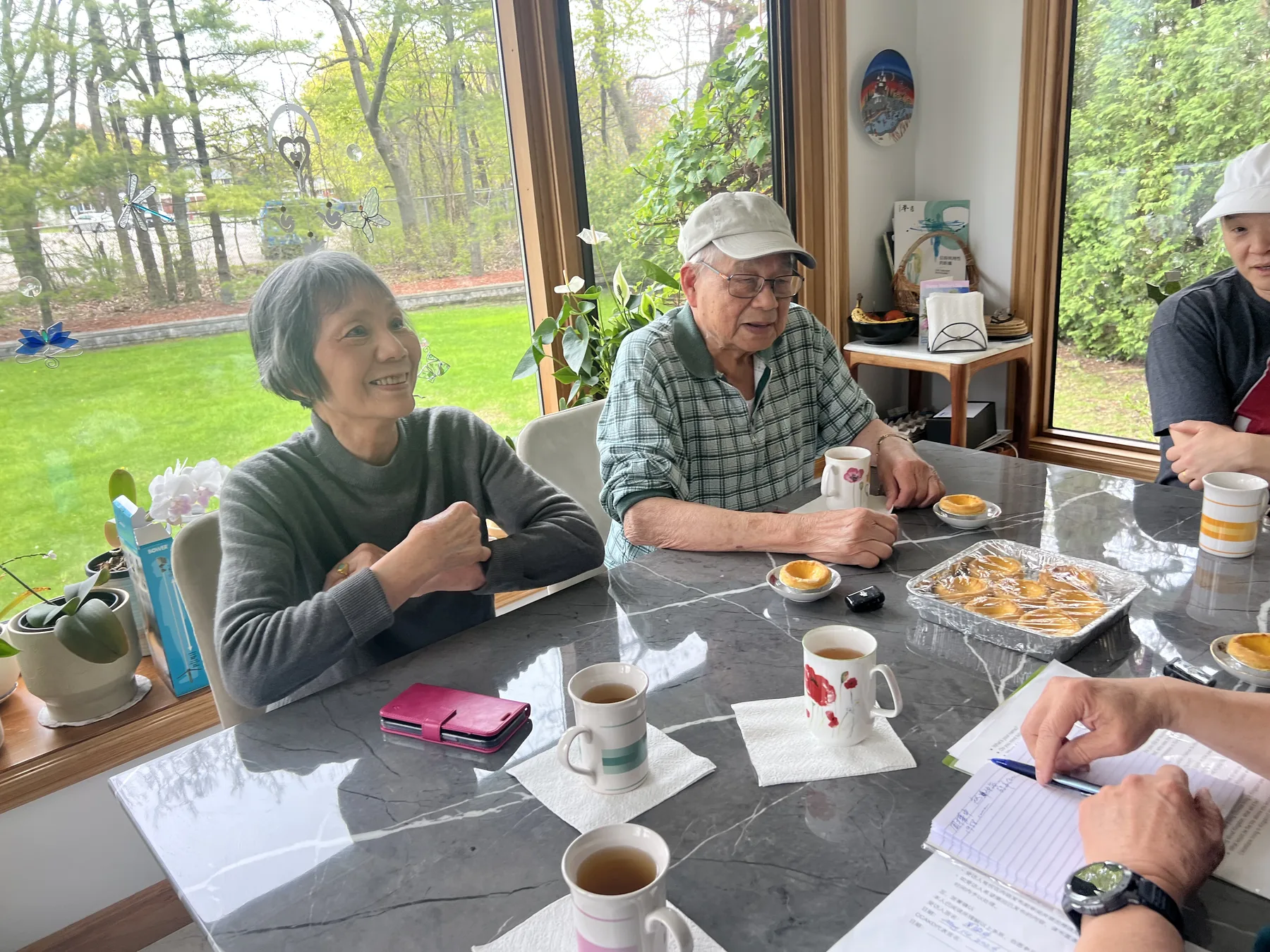
「他骄傲地强调在金斯顿像他这样经营自己餐馆五十三年的几乎没有。周太就开玩笑说,周先生没有了餐馆好像就生活没有了意义。」
"He proudly pointed out that almost no one in Kingston had run their own restaurant for fifty-three years the way he had. Mrs. Chow joked that without the restaurant, it was as if his life lost its meaning."
「他骄傲地强调在金斯顿像他这样经营自己餐馆五十三年的几乎没有。周太就开玩笑说,周先生没有了餐馆好像就生活没有了意义。」
"He proudly pointed out that almost no one in Kingston had run their own restaurant for fifty-three years the way he had. Mrs. Chow joked that without the restaurant, it was as if his life lost its meaning."
这次的访谈对象是华人移民周氏夫妇,周权中先生出生于1937年,他的妻子赵仲萍出生于1945年,周氏夫妇是广东开平人。
开平来的三代华侨
周先生是1958年从广东开平移民到加拿大的,当时他的父亲已经在加拿大移民,而周先生的妻子赵仲萍是1965年移民到加拿大的。他们途经香港来到加拿大,但实际上两人都是从中国内地移民到加拿大的,这在当时很少而且比较不容易。周先生能够移民加拿大的原因是他的祖父很早以前就来到了加拿大,而他的父亲九岁时来到加拿大,此后定居于此。所以当周权中移民来到加拿大时,他的父亲已经在这边略有根基。那个时候如果新移民的岁数年轻可以很快申请公民,所以周权中一年后就成了加拿大公民。
周氏一族在广东开平老家是比较富裕的,他们家还建有一个当地有名的碉楼,就像电影”让子弹飞”里面那个有名的黄四霸的碉楼一样;虽然碉楼已不属于周氏,现在依然矗立不倒,是重要的历史文化遗产,也是当地的文物保护单位。周家这样的华侨家庭在广东、福建的侨乡很有代表性。这些华侨在家乡的产业都是他们在南洋或者美洲辛辛苦苦工作打拼挣来的,绝不是剥削而来的不义之财,他们不但要担负远涉重洋的风险和艰辛的工作代价,还有家庭常年分离只能依靠鸿雁传书的痛苦;最近那个在中国大陆很火的电影,“给阿嬷的情书”讲的是潮汕的华侨的故事,虽然说的是南洋,但是与许多广东移民的经历很相似,他们都是在外面辛苦打拼,然后把积攒的钱寄回家,而妻女大多留在故乡。后来风云幻化,世事变迁,许多华侨多年辛辛苦苦积累的财富不再,也是大时代背景下个人和家庭的命运吧。
五百块人头税
周先生家的移民故事还有些不同凡响之处,他祖父来加拿大的时间更早,而且是付了500块钱人头税移民来加拿大的那批人,(也属于后来应该给予赔偿的移民群体)。臭名昭著的华人移民人头税是加拿大历史上对华人种族歧视的一个政策,也是加拿大的一大历史污点。说起周先生他们的早期移民经历,其实当时加拿大社会对华人的种族歧视还是比较普遍的,比如他们就曾经遇到过被称为Chinaman的情况。华人因为种种原因被人歧视,比如那个时代华人和加拿大白人之间的婚姻是很少的,周权中年轻时的经验就是如果一个华人男子(当时在加拿大华人适龄女性很少)和白人女孩约会,那个白人女孩就会被别人看不起。
China Doll 与四千加元
周先生来到加拿大先是到多伦多唐人街工作过一段时间以适应环境,两年之后来到了金斯顿在他叔叔的餐馆工作。当时周权中几乎不会说英文,在叔叔的餐馆结业之后又回到多伦多唐人街,在那里打工同时学习英文两年,然后才又回到金斯顿。当时的金斯顿的华人群体很小,很多人都在那家有名的Royal York Cafe工作,他也是在那里的厨房里外都做过。周权中那时非常幸运的有一个加拿大人白人朋友,那家人在Royal Bank工作,他们有一个餐馆的property先是租给了一个华人,但是后来三个月后那人不讲信用没交租金就跑路了。周先生的这个白人朋友因为非常信任周的为人,就直接给他钥匙,把这个餐馆无条件的租给他。周权中就这样幸运的开始自己的餐饮创业,给自己的餐馆取名为China Doll。那时候周先生已经是大龄青年,二十大几还没结婚,也找不到白人女孩约会。他的那个租给他餐馆的朋友好像比他还着急,问他你怎么想的,难道想打光棍吗?周说我只能回香港找对象了,但是没钱难倒英雄汉,那个古道热肠的加拿大白人朋友说我借你钱回去找对象,这个人生大事最重要。于是他就慷慨解囊借了周权中4000块钱,周先生就这样拿着这借来的四千加元再加上自己的一点积蓄回到香港,开始了他和赵仲萍相识结婚成家的幸福故事。
盲婚哑嫁
赵仲萍年轻时是个美女,她回忆往事时笑说当时年轻不懂世事,结识周先生是通过周先生的姐姐,那时候的婚姻都不是自由恋爱而是属于传统包办婚姻,盲婚哑嫁,她说在结婚之前就见过周先生一张小小的比手指头大不了多少的黑白照片,然后就和他步入婚堂,成了周家的媳妇。结了婚周先生就带着新婚妻子移民到了金斯顿。1965年周先生一家来到金斯顿,然后就重新开了一个中餐馆,因为与旧的餐馆难以割舍,取名为New China Doll。周家的这个餐馆一开就是五十多年。那个时候在餐馆工作一个星期的收入也就是250块钱左右,收入低但是当时物价也低的可以,比如在多伦多老唐人街的地区租一个房间,月租可以低至五块钱。所以在餐饮业打工维持生活没问题,华人吃苦耐劳,做餐饮业不但能养家糊口还能积攒财富。
New China Doll 五十三年
周先生的New China Doll餐馆成为金斯顿经营最长时间的中餐馆,直到2017年才结业转让,周先生夫妇育有三女一子,孩子们在上学的时期经常到餐馆帮工,但是当他们准备结束餐馆的时候,没有一个孩子愿意继承餐馆的业务。当然他们的孩子在加拿大都有高等教育背景,有三个是在Queen’s university毕业的,显然孩子们都选择更高职业层次的工作。现在周先生的孩子都已经成家立业,幸运的是周氏夫妇的儿子就在金斯顿的Empire Life 工作,还可以跟他们互相照顾。
据周氏夫妇的回忆,其实金斯顿是一个对华人移民很友好的地方,很少遇到种族歧视的事情。多年经营餐饮业,他们有一些加拿大人朋友,比如他的餐馆前前后后50多年,有很多多年的老顾客,在他们的餐馆结束经营的时候,金斯顿当地的电视台还有报道。据周太笑着透露,周先生对两件事情有执念,一个是打麻将,他可以在工作一天之后的深夜回到餐馆楼上的房间找几个同伴打麻将,这是他的兴趣爱好,但是他也以此拒绝赌博的恶习。另外一个执念就是对自己餐馆的执念。他这么多年来每天上午去餐馆很晚才回家,常年如一日。他骄傲地强调在金斯顿像他这样经营自己餐馆五十三年的几乎没有。周太就开玩笑说,周先生没有了餐馆好像就生活没有了意义。比如哪怕他做了关节手术,从医院出来不是回家,而是先来餐馆转悠一下。
落叶生根
所以严格的讲周权中是没有一个正式退休的时间点,因为即使他把餐馆转让了,他也经常去转转看看。周先生对旅行并没有什么太大的兴趣,华人协会组织的十数次游轮旅行,他只去过两次,而且他后来从来没有回过中国大陆也没有回过故乡,他的孩子旅游回中国的时候,他写下自己的名字和家里人的名字到故乡去问已经没有人记得他们了,虽然他的祖宅的那栋楼还在,除了现代的文保牌已经与周氏家族无关,一个家族始于广东开平,在加拿大落叶生根绵绵不息,也代表了华人与加拿大这个美丽的国度不解的缘分。
The subjects of this interview are the Chinese immigrant couple Mr. and Mrs. Chow. Mr. Quan-zhong Chow was born in 1937, and his wife, Chung-ping Chiu, was born in 1945. The Chows are from Kaiping, Guangdong.
Three Generations of Overseas Chinese from Kaiping
Mr. Chow immigrated to Canada in 1958 from Kaiping, Guangdong, by which time his father was already settled in Canada, while his wife, Chung-ping Chiu, immigrated in 1965. They came to Canada by way of Hong Kong, but in fact both of them emigrated from mainland China — something that was rare and rather difficult at the time. The reason Mr. Chow was able to immigrate to Canada was that his grandfather had come to Canada long before, and his father had come at the age of nine and settled here afterward. So by the time Quan-zhong Chow immigrated, his father had already established something of a foothold here. In those days, if a new immigrant was young, they could apply for citizenship fairly quickly, so Quan-zhong Chow became a Canadian citizen a year later.
Back in their hometown of Kaiping, Guangdong, the Chow clan was relatively well-off; their family had even built a locally famous diaolou (fortified tower), much like the famous tower of the bandit lord Huang Si in the film “Let the Bullets Fly.” Although the tower no longer belongs to the Chows, it still stands today as an important piece of historical and cultural heritage, and a designated heritage site under local protection. Overseas Chinese families like the Chows are very representative of the qiaoxiang — the emigrant home regions — of Guangdong and Fujian. The assets these overseas Chinese held in their hometowns were earned through hard toil and struggle in the South Seas or the Americas; they were by no means ill-gotten gains wrung from exploitation. These men bore not only the risks of crossing distant oceans and the heavy price of gruelling labour, but also the pain of years of family separation, with only letters carried back and forth to bridge the distance. A film that has recently been very popular on the mainland, “A Love Letter to Grandma,” tells the story of overseas Chinese from Chaoshan; though it is set in the South Seas, it closely mirrors the experiences of many Guangdong emigrants — all of them struggling abroad, then sending their savings home, while their wives and daughters mostly remained in the old country. In time the winds shifted and the world changed, and the wealth these overseas Chinese had painstakingly accumulated over many years was no more — the fate, perhaps, of individuals and families caught up in a great age.
Five Hundred Dollars in Head Tax
There is something else extraordinary about the Chow family’s immigration story: Mr. Chow’s grandfather came to Canada even earlier, and he was among those who immigrated by paying the five-hundred-dollar head tax (and thus also belongs to the group of immigrants who should later have been owed compensation). The notorious Chinese Immigration head tax was a racially discriminatory policy against Chinese people in Canadian history, and a great stain on Canada’s record. Speaking of the Chows’ early immigrant experience, racial discrimination against Chinese people in Canadian society was in fact still fairly common at the time — for instance, they had encountered situations where they were called “Chinaman.” Chinese people were discriminated against for all sorts of reasons; for example, in that era, marriages between Chinese and white Canadians were very rare. Quan-zhong Chow’s own experience in his youth was that if a Chinese man (and at that time there were very few Chinese women of marrying age in Canada) dated a white girl, that white girl would be looked down upon by others.
China Doll and Four Thousand Dollars
When Mr. Chow first came to Canada, he worked for a while in Toronto’s Chinatown to adjust to his new surroundings, and two years later came to Kingston to work at his uncle’s restaurant. At that point Quan-zhong Chow could barely speak English, so after his uncle’s restaurant closed, he went back to Toronto’s Chinatown, where he worked and studied English for two years before returning to Kingston. Kingston’s Chinese community was very small at the time, and many people worked at the well-known Royal York Cafe; he too worked there, both in the kitchen and out front. Quan-zhong Chow was very fortunate to have a white Canadian friend whose family worked at the Royal Bank. They owned a restaurant property that they had first rented to a Chinese man, but three months later that man broke his word and skipped out without paying the rent. Because this white friend trusted Chow’s character so completely, he simply handed Chow the keys and rented him the restaurant unconditionally. And so Quan-zhong Chow was fortunate enough to begin his own venture in the restaurant business, naming his restaurant China Doll. By then Mr. Chow was already getting on in years — well into his twenties and still unmarried, with no white girls to date. The friend who had rented him the restaurant seemed even more anxious about it than he was, asking him, “What are you thinking? Do you mean to stay a bachelor forever?” Chow said he could only go back to Hong Kong to find a bride, but a penniless man is a hero stymied. That warm-hearted, old-fashioned white Canadian friend said, “I’ll lend you the money to go back and find a wife — this is the most important matter in life.” And so he generously lent Quan-zhong Chow four thousand dollars, and with that borrowed four thousand dollars plus a little of his own savings, Mr. Chow returned to Hong Kong and began the happy story of meeting, marrying, and starting a family with Chung-ping Chiu.
A Blind Marriage
Chung-ping Chiu was a beauty in her youth. Looking back, she laughed and said that she had been young and naive at the time. She came to know Mr. Chow through his older sister; in those days marriages were not love matches but traditional arranged marriages — blind marriages, sight unseen. She said that before the wedding she had seen only one small black-and-white photograph of Mr. Chow, barely bigger than a finger, and then she walked into the wedding hall with him and became a daughter-in-law of the Chow family. After they married, Mr. Chow brought his new bride to immigrate to Kingston. In 1965 the Chow family arrived in Kingston, and he then opened a new Chinese restaurant; because he could not bear to part with the old one, he named it New China Doll. This restaurant of the Chow family stayed open for more than fifty years. Back then, a week’s income from working in a restaurant was only about 250 dollars — the income was low, but prices were remarkably low too. For instance, in the old Chinatown area of Toronto, a room could be rented for as little as five dollars a month. So working in the restaurant business was enough to get by; Chinese people were hardworking and able to endure hardship, and the restaurant trade could not only support a family but also build up savings.
New China Doll, Fifty-Three Years
Mr. Chow’s New China Doll became the longest-running Chinese restaurant in Kingston, not closing and being sold off until 2017. The Chows raised three daughters and one son, and the children often helped out at the restaurant during their school years. But when the time came to wind the restaurant down, not one of the children was willing to take over the business. Of course, all their children had higher education in Canada — three of them graduated from Queen’s University — and they clearly all chose careers at a higher professional level. Mr. Chow’s children have all now settled into their own families and careers, and fortunately the Chows’ son works at Empire Life right here in Kingston, so they can look after one another.
According to the Chows’ recollections, Kingston was in fact a very welcoming place for Chinese immigrants, and they rarely encountered racial discrimination. Over their many years in the restaurant business, they made some Canadian friends; over the more than fifty years of the restaurant’s life, they had many longtime regular customers, and when the restaurant closed for good, the local Kingston television station even ran a story on it. As Mrs. Chow revealed with a laugh, Mr. Chow was fixated on two things. One was playing mahjong — after a full day of work he might come back late at night to a room above the restaurant to find a few companions for a game; it was his hobby, and it was also how he kept clear of the vice of gambling. The other fixation was the restaurant itself. For all those years he went to the restaurant every morning and came home very late, day in and day out, the same as ever. He proudly pointed out that almost no one in Kingston had run their own restaurant for fifty-three years the way he had. Mrs. Chow joked that without the restaurant, it was as if his life lost its meaning. Even after he had joint surgery, for example, he came out of the hospital not to go home but to swing by the restaurant first.
Putting Down Roots
So strictly speaking, there was never a fixed point at which Quan-zhong Chow formally retired, because even after he had sold off the restaurant, he often went by to take a look around. Mr. Chow had little interest in travel; of the dozen or so cruises organized by the Chinese association, he went on only two, and he never again returned to mainland China or to his hometown. When his children travelled back to China, he wrote down his own name and the names of his family members for them to ask after in the old village — but no one there remembered them anymore. Although the building of his ancestral home still stands, apart from the modern heritage-protection plaque it has nothing to do with the Chow family any longer. A family that began in Kaiping, Guangdong, put down roots in Canada and carried on, generation after generation — a story that also stands for the unbreakable bond between Chinese people and this beautiful country of Canada.