十二岁独自上路的少年
The boy who travelled alone at twelve
「当时王先生只有12岁,他从香港坐飞机先到旧金山,结果到了旧金山就在机场被滞留,因为当时的法律规定,像这样年龄的少年是不可以独自旅行的。」
“He was only twelve. He flew from Hong Kong to San Francisco, where he was held at the airport — the law of the day said a boy that age could not travel alone.”
「当时王先生只有12岁,他从香港坐飞机先到旧金山,结果到了旧金山就在机场被滞留,因为当时的法律规定,像这样年龄的少年是不可以独自旅行的。」
“He was only twelve. He flew from Hong Kong to San Francisco, where he was held at the airport — the law of the day said a boy that age could not travel alone.”
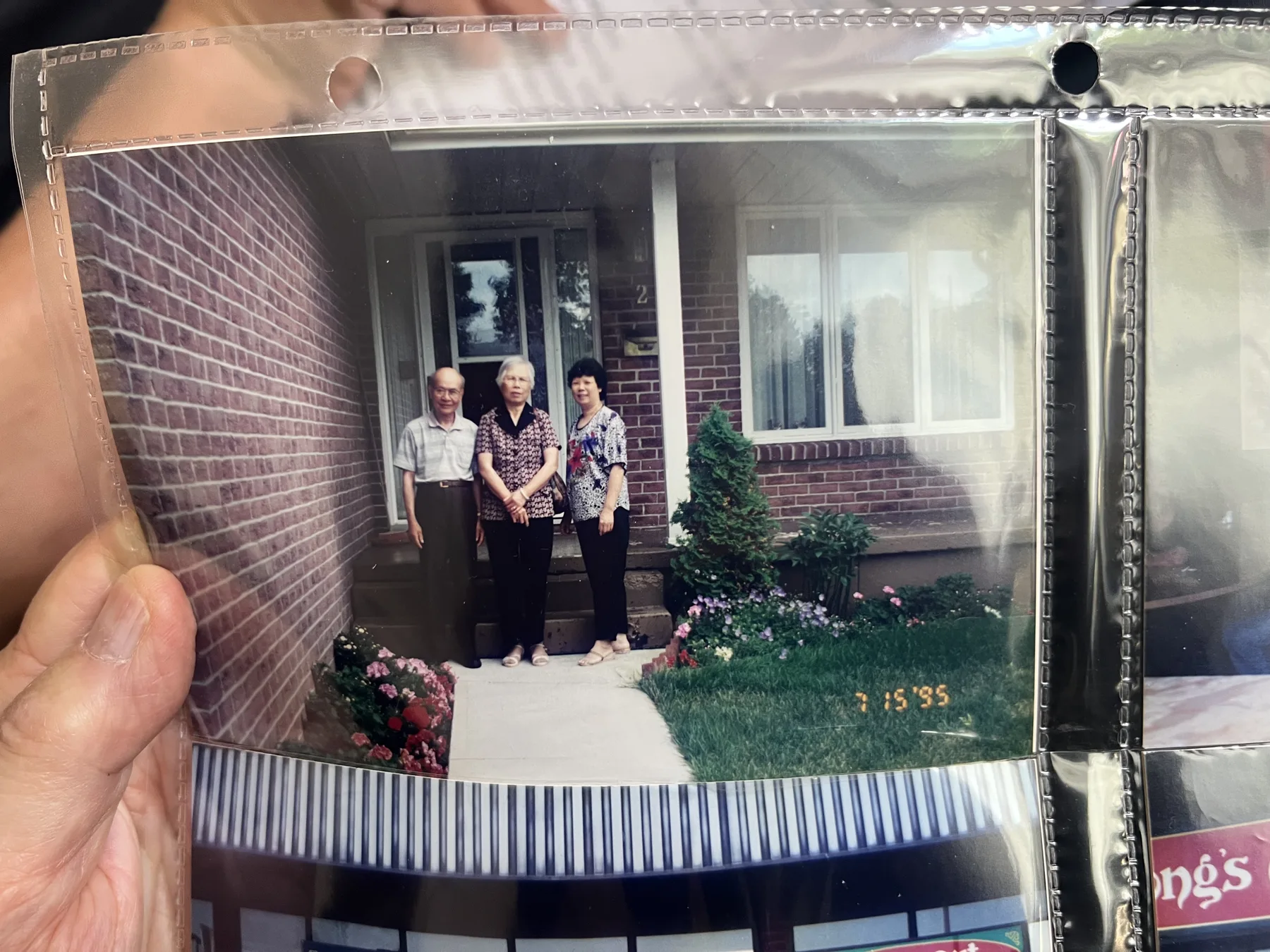
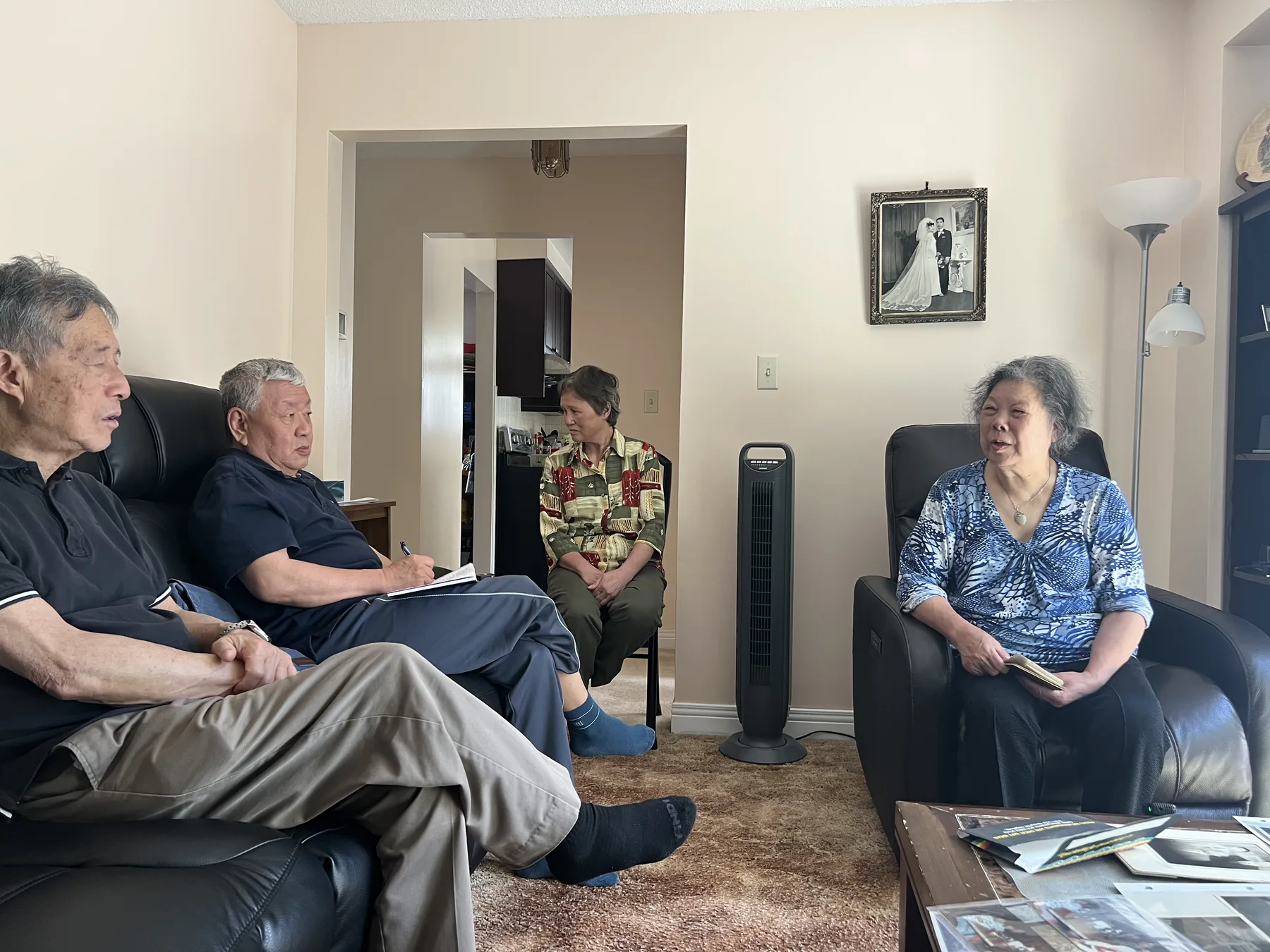
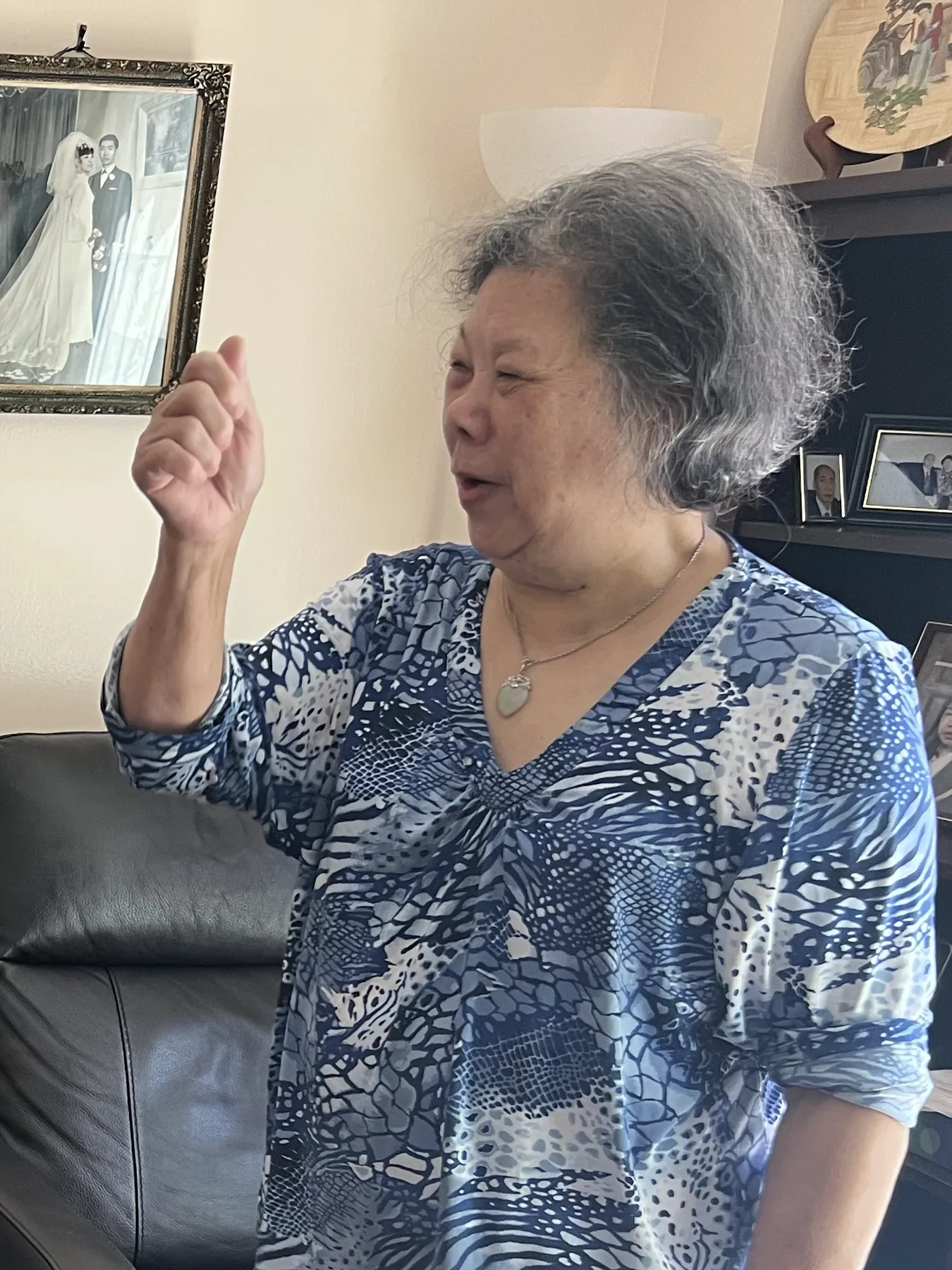
这次访谈的对象是李碧云女士,出生于1948年代,广东台山人,他的丈夫王启尉(出生于1940年,1952年移民来到加拿大,2012年去世),现在退休在家的李女士目前和她的小儿子住在一起。
十二岁独自闯北美
李碧云女士12岁时去香港,在香港中学毕业,中文水平尚可,英文马马虎虎,1970年在香港嫁给王先生然后移民来加拿大,这个过程比较顺遂清晰。但是王先生早先移民来加拿大的过程有点波折。王先生1952年来加拿大,当时王先生在香港和父亲在一起,而他的祖父在加拿大给他申请了移民。可是王先生还没启程,他的祖父就去世了,所以当他拿到移民纸后,就只能自己开始移民北美的行程,当时王先生只有12岁,他从香港坐飞机先到旧金山,结果到了旧金山就在机场被滞留,因为当时的法律规定,像这样年龄的少年是不可以独自旅行的。不过因为他只是在美国转机,后来经过一系列的斡旋还是让他离开美国来加拿大了。王先生抵达加拿大的时候也有点尴尬,他的叔叔太忙只是租了个车派人去机场接机,自己都没去,别忘了当时王先生只有12岁,好在后来还是好事多磨懵懵懂懂的来到了加拿大。不过年少移民也有好处,王先生得以在加拿大开始就可以受到一些正规教育,而且可以很快拿到公民身份。少年王启尉先后在汉密尔顿和蒙特利尔住了几年,除了上学也在叔叔的餐馆里帮厨,但后来他的那个在蒙特利尔的叔叔结束了餐馆的业务,他就不得不离开蒙特利尔,在他规划从蒙特利尔去多伦多的路线时,他叔叔突然说你还有个堂叔在金斯顿在餐馆打工,你就去投奔他吧。就这样王启尉很偶然的来到了金斯顿,那时候他15岁,而没有想到的是金斯顿就成为他和王氏家庭在加拿大的永居之地,再也没有离开。
酒吧与 Bingo 旁的 Wong’s Garden
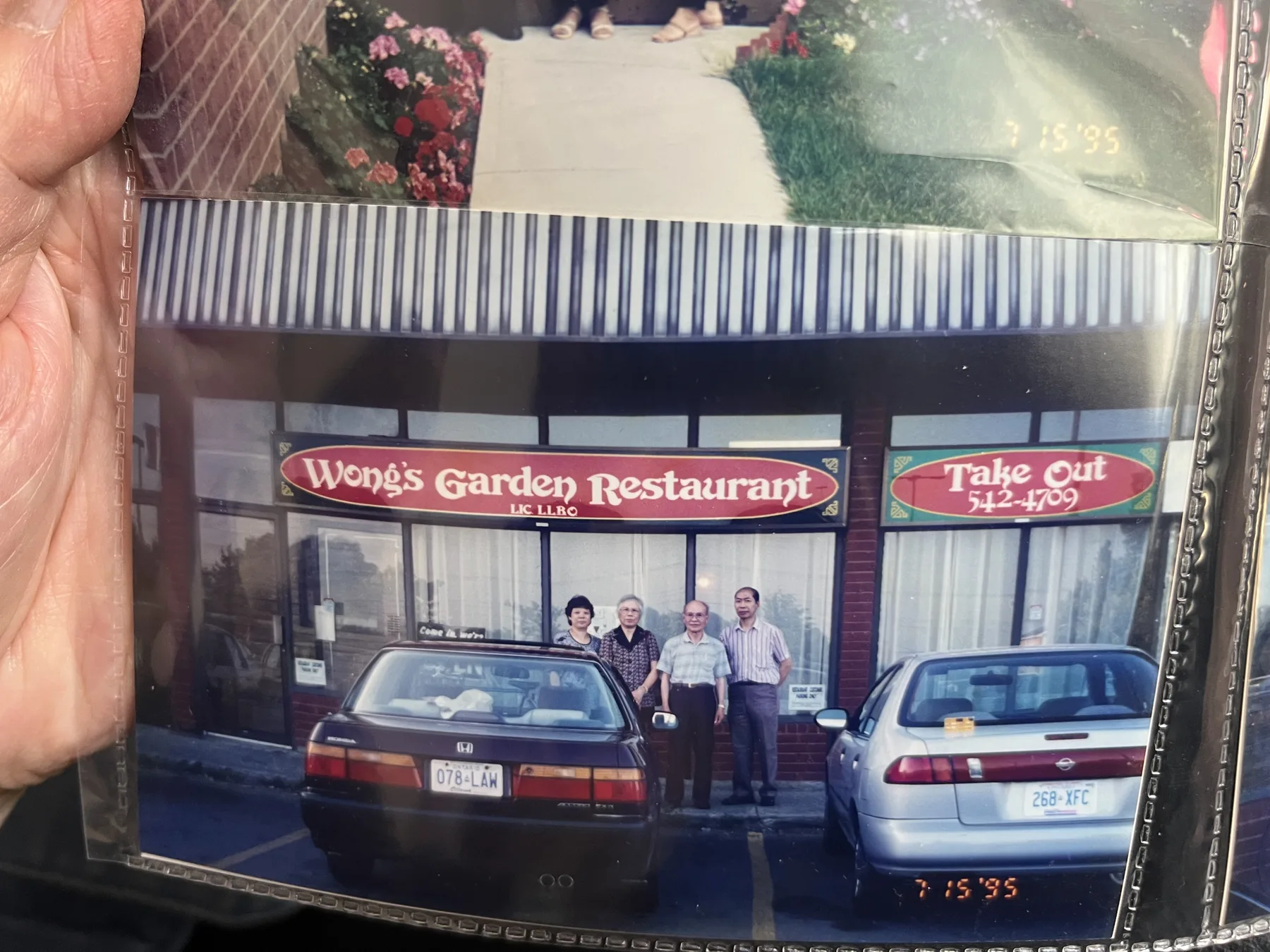
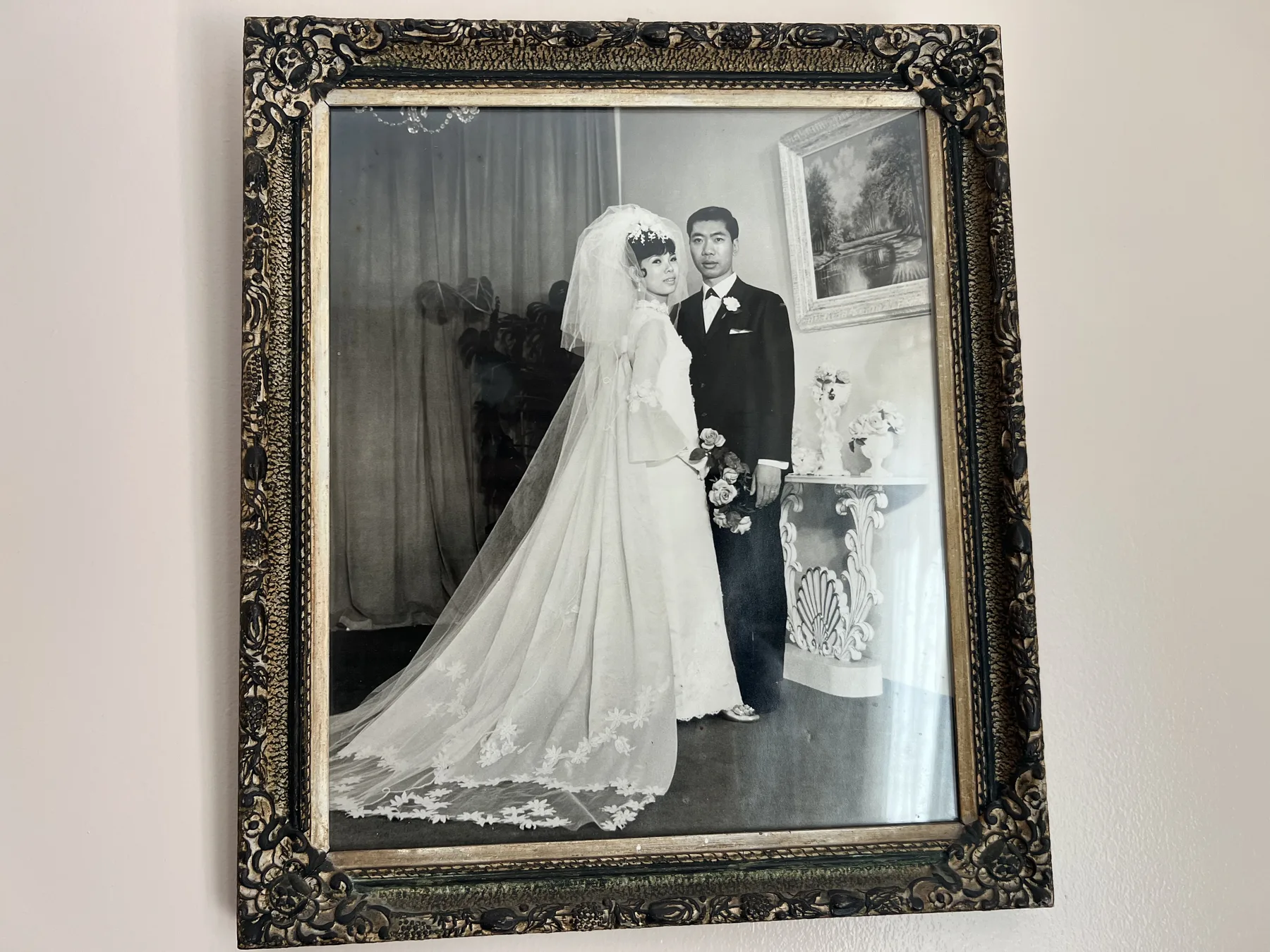
李碧云女士是王先生1969年回香港找结婚对象的时候与他结识的,他们是通过好像王先生的姑姑还是什么亲戚相亲然后结婚的,婚后在1970年来到了金斯顿。王先生夫妇结婚回到金斯顿的时候是在上个世纪七十年代,那时候在金斯顿的华人还主要是在餐饮这样的服务业工作。王先生夫妇也是一样,开始曾在不同的餐馆工作,一直到1986年他们开了自己的餐馆,饭馆的名字叫Wong’s Garden,主要提供加拿大人西餐和中餐,也就是Canadian Chinese food,他们的餐馆位于金斯顿北边接近401高速公路的一片不算很繁华商业街上,但重要的是那个街上有酒吧和Bingo,所以给他们的餐馆带来很多生意,特别是Bingo,每个周末都会开到晚上12:00,而去Bingo消遣的大多数是已经退休的老人,而且在那个时期附近也没有赌场这样的场所,所以来此消遣游戏的顾客很多。虽然酒吧人流很多,有时候还会有醉酒的人的造成的小冲突,警察不时来光顾一下,他们的餐馆生意一直很不错。餐馆事业从来都是很辛苦,他们当时每天要工作12到14个小时,他们经营的又是很典型的家庭餐馆。王先生夫妇有三个孩子,两个儿子一个女儿,他的三个孩子都经常到餐馆去帮厨。
三个孩子 三张 Queen’s 文凭
就像其它的华人移民家庭一样,王氏夫妇的三个孩子都接受了良好的高等教育,他们都是从Queen’s University毕业的,也都学有所成,工作也都不错,女儿在毕业后给一个多伦多的学院做招生这样的行政管理工作,后来还回到queen’s 念了MBA学位。两个儿子一个在政府工作一个曾在监狱管理局工作。王氏夫妇能够成功地经营这个家庭餐馆,而且抚养孩子成长成功,在大学接受教育归功于他们的勤俭和计划周全,比如王先生很自傲的是他在很早时候就给孩子储存了教育基金,所以这几个孩子上大学的费用没有问题,毕业时也没有欠student loan 。
塞翁失马的一场火灾
李女士回顾往事感慨万千,在他们的经历里金斯顿是一个非常适合移民生活生存生活的地方,对移民非常友好宽容;比如有两个对他们非常有帮助的加人夫妇,一个是他儿子的中学老师的英裔夫妇,还有一个就是华人司徒夫妇,他们都对王氏家庭百般照顾,特别是让他们的孩子很快的融入社会。他们的餐馆在经营了20多年之后转手,不过在餐馆的经营的长时间里积攒了很多人脉和朋友,即使到他们已经退休不再经营餐馆,那些朋友还经常来此光顾,相约喝咖啡聊天。那个买了他们餐馆继续经营的华人家庭继续沿用了他们的餐馆的名字,所以餐馆的顾客群体也存续了下来。九十年代的时候他们这个小商业街区曾经有一次火灾,他们邻居家的火波及他们的餐馆,所以餐馆受到了很大的损失,而保险公司不但赔偿损失重建餐馆,还赔偿了一年半的营业收入的损失,所以火灾对他们来说最后的损失并不大,这也算是他们餐馆经营时期的一个塞翁失马安知非福的事件。
渐远的故乡 感恩的第二故乡
自从王氏夫妇离开香港移民到加拿大之后,他们俩再也没有回过香港,也没有回过广东台山的故乡,当然他们的孩子曾经回过香港也去见过还在香港的亲戚,现在和故国故乡的关系已经很凋零了。李女士的家人也基本都不在香港了,他的父母后来也移民到了美国,而王先生的亲人也基本上不在香港了,只有一个联系不多的堂兄弟,这也是一种比较典型的老华人移民与故国和家乡的联系状态。
李女士一家对金斯顿的感情羁绊很深,不仅他们在这里成家养育孩子一直到养老,而这个他们选择定居的国家对他们非常善良,令他们能够和顺的融入这个多元和谐的社会。所以像很多在金斯顿的老一辈的华人移民一样,他们永远感恩金斯顿这个对移民非常友好的第二故乡。
The subject of this interview is Mrs. Bik-wan Lee, born in 1948, a native of Taishan, Guangdong. Her husband, Wong Kai-wai (born in 1940, immigrated to Canada in 1952), passed away in 2012; Mrs. Lee — now retired — currently lives with her youngest son.
Crossing into North America Alone at Twelve
Mrs. Bik-wan Lee moved to Hong Kong at the age of twelve, where she finished secondary school; her Chinese was reasonably good and her English passable. In 1970 she married Mr. Wong in Hong Kong and then immigrated to Canada — a process that was relatively smooth and straightforward. Mr. Wong’s earlier path to Canada, however, had been rather more eventful. He came to Canada in 1952. At the time he was living with his father in Hong Kong, while his grandfather in Canada had filed an immigration application on his behalf. But before Mr. Wong could set off, his grandfather died, so once he received his immigration papers he had to begin the journey to North America entirely on his own. He was only twelve. He flew from Hong Kong to San Francisco, where he was held at the airport — the law of the day said that a boy of that age could not travel alone. Because he was merely transiting through the United States, however, after a series of negotiations he was eventually allowed to leave the U.S. and continue on to Canada. His arrival in Canada was awkward, too: his uncle was too busy and simply rented a car and sent someone to meet him at the airport, not even coming himself — and remember, Mr. Wong was only twelve. Fortunately, after all the twists and turns, the bewildered boy did finally make it to Canada. Yet there were advantages to immigrating so young: Mr. Wong was able to receive some formal education from the start in Canada, and he was able to obtain citizenship quickly. The young Wong Kai-wai lived for a few years in Hamilton and then Montreal, attending school while also helping out in the kitchen of his uncle’s restaurant. But later, when that Montreal uncle wound up the restaurant business, Wong had to leave Montreal. As he was planning his route from Montreal to Toronto, his uncle suddenly mentioned that he had another distant uncle working in a restaurant in Kingston and told him to go and seek him out. And so, quite by chance, Wong Kai-wai came to Kingston. He was fifteen at the time — and, unexpectedly, Kingston became the permanent home of the Wong family in Canada, a place they would never leave.
Wong’s Garden, Beside the Bar and the Bingo
Mr. Wong met Mrs. Bik-wan Lee in 1969, when he returned to Hong Kong to look for a wife; it was through an introduction arranged by what was apparently Mr. Wong’s aunt or some other relative that they were matched and married, and after the wedding they came to Kingston in 1970. When Mr. and Mrs. Wong married and returned to Kingston, it was in the 1970s, a time when the Chinese in Kingston mainly worked in service industries such as the restaurant trade. Mr. and Mrs. Wong were no exception — at first they worked in various restaurants, until in 1986 they opened their own restaurant, called Wong’s Garden, serving mainly Western fare for Canadians as well as Chinese food, that is, Canadian-Chinese food. Their restaurant sat on a not especially busy commercial street on the north side of Kingston, near Highway 401, but what mattered was that the street had a bar and a Bingo hall, which brought a great deal of business to their restaurant — especially the Bingo, which ran until midnight every weekend. Most of those who went to the Bingo to pass the time were retired seniors, and since there were no casinos or similar establishments nearby in that era, plenty of customers came for the games. Although the bar drew large crowds and there were occasionally minor scuffles caused by drunken patrons, with the police dropping by from time to time, their restaurant did consistently good business. The restaurant trade was always hard work — at the time they had to work twelve to fourteen hours a day, and theirs was a very typical family-run restaurant. Mr. and Mrs. Wong had three children, two sons and a daughter, and all three of them often helped out in the restaurant kitchen.
Three Children, Three Queen’s Diplomas
Like other Chinese immigrant families, the Wongs’ three children all received a good higher education. They all graduated from Queen’s University, all did well in their studies, and all found good jobs. After graduating, the daughter did administrative work in admissions for a college in Toronto, and later returned to Queen’s to earn an MBA. Of the two sons, one works for the government and the other once worked for the correctional service. The Wongs were able to run this family restaurant successfully, and to raise and educate their children at university, thanks to their thrift and careful planning — for instance, Mr. Wong was very proud that he had set up education funds for the children early on, so that there was no problem covering their university costs and none of them owed any student loans upon graduation.
A Fire That Proved a Blessing in Disguise
Looking back, Mrs. Lee is filled with emotion. In their experience, Kingston was a place very well suited to immigrant life and livelihood, very friendly and tolerant toward newcomers; for example, there were two Canadian couples who were enormously helpful to them — one an English couple, the secondary-school teacher of one of their sons, and the other a Chinese couple, the Szetos — both of whom looked after the Wong family in every way, and especially helped their children integrate quickly into society. After running it for more than twenty years, they sold the restaurant; but over the long years of operating it they had built up a great many connections and friends, and even after they had retired and were no longer running the restaurant, those friends still often came by, gathering for coffee and conversation. The Chinese family who bought the restaurant and carried on running it kept its name, so the restaurant’s clientele endured as well. In the 1990s there was once a fire in their little commercial block — a fire at their neighbour’s spread to their restaurant, causing it heavy damage — but the insurance company not only compensated the losses and rebuilt the restaurant, it also paid out a year and a half of lost business income, so in the end the fire cost them little. It was, in its way, a blessing in disguise during their years running the restaurant.
A Homeland Growing Distant, a Second Home Held in Gratitude
Since Mr. and Mrs. Wong left Hong Kong to immigrate to Canada, neither of them ever returned to Hong Kong, nor to their ancestral home of Taishan, Guangdong. Their children, of course, did go back to Hong Kong and visited relatives still living there, but their ties to the old country and ancestral home have by now grown very thin. Most of Mrs. Lee’s family are no longer in Hong Kong either — her parents later immigrated to the United States — and Mr. Wong’s relatives are largely gone from Hong Kong as well, with only a single, seldom-contacted cousin remaining. This is a fairly typical state of affairs for the older generation of Chinese immigrants and their connection to the old country and homeland.
Mrs. Lee and her family feel a deep bond with Kingston: not only did they build a family here, raise their children, and grow old here, but the country they chose to settle in was very kind to them, allowing them to integrate smoothly into this diverse and harmonious society. And so, like many of the older generation of Chinese immigrants in Kingston, they will always be grateful to Kingston, the immigrant-friendly second home.